No products in the cart.
No tours were found matching your selection.
Language: English
Currency: Rupiah
Religion: Hinduism
Timezone: GMT+8
Nestled in the Eastern Himalayas between India and China, the Kingdom of Bhutan is one of the most unique and fascinating destinations in the world. Known as the “Land of the Thunder Dragon,” Bhutan is a place where dramatic mountain landscapes, deep spiritual traditions, and a preserved cultural identity create an experience unlike anywhere else. For travelers seeking more than just sightseeing, Bhutan offers a journey that combines nature, culture, and meaningful travel.
Bhutan’s landscapes are among the most pristine in the Himalayas. The country stretches from subtropical plains in the south to alpine mountains and snow-covered peaks in the north, creating a remarkable diversity of ecosystems within a relatively small area. Travelers passing through Bhutan witness changing scenery—from dense forests of pine and rhododendron to terraced farms, rushing rivers, and wide Himalayan valleys. These landscapes remain largely untouched thanks to Bhutan’s strong commitment to environmental conservation and responsible tourism.
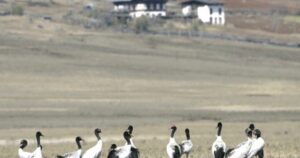
Some of the most scenic areas include the breathtaking Phobjikha Valley, known for its vast open landscapes and as the winter home of the rare black-necked cranes. Remote Himalayan regions such as Laya and Gasa offer travelers a glimpse into traditional mountain life that has remained largely unchanged for centuries. These regions are perfect for trekking, nature walks, and cultural exploration, making Bhutan a remarkable destination for both adventure seekers and nature lovers.
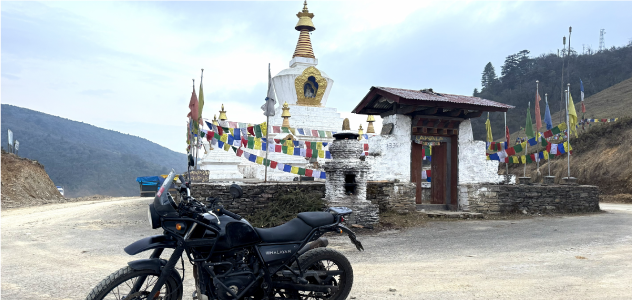
Beyond its natural beauty, Bhutan is deeply rooted in spirituality and Buddhist traditions. The country follows Mahayana Buddhism, which influences everyday life, architecture, festivals, and community values. Throughout Bhutan, travelers encounter ancient monasteries, temples, prayer flags, and magnificent fortress-monasteries known as dzongs that serve as religious and administrative centers.
One of Bhutan’s most iconic landmarks is Paro Taktsang, famously known as the Tiger’s Nest Monastery. Perched dramatically on a cliff nearly 900 meters above the Paro Valley, this sacred monastery is one of the most important pilgrimage sites in Bhutan and offers breathtaking views of the surrounding mountains. The hike to the monastery is both physically rewarding and spiritually meaningful, making it a highlight for many visitors.
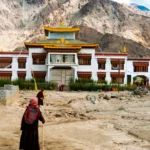
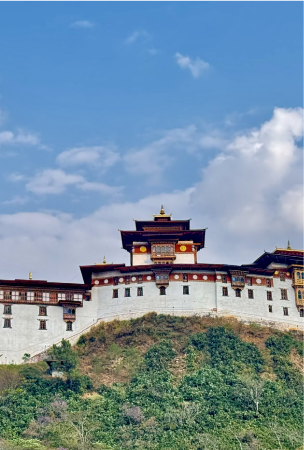
Other remarkable sites include the magnificent Punakha Dzong and Tashichho Dzong, which showcase traditional Bhutanese architecture with their towering white walls, intricate woodwork, and colorful murals. These dzongs remain active centers of religion, governance, and community life.
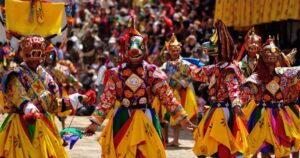
Bhutan’s culture also comes alive during traditional festivals known as Tshechus. These vibrant celebrations feature sacred masked dances, traditional music, and rituals performed by monks and local communities. Attending a Tshechu allows travelers to witness Bhutan’s living traditions and connect with the spiritual heritage of the country.
What truly makes Bhutan unique is its national philosophy of Gross National Happiness. Instead of measuring progress purely through economic growth, Bhutan prioritizes the well-being of its people, protection of the environment, preservation of culture, and sustainable development. This philosophy shapes the country’s tourism policy, ensuring that travel in Bhutan remains responsible, meaningful, and respectful to local traditions and landscapes.
Traveling in Bhutan is therefore not just about visiting beautiful places—it is about experiencing a way of life. Visitors can explore remote villages, hike through forests and mountain passes, visit hidden monasteries, and interact with local communities. Bhutanese hospitality is warm and welcoming, offering travelers a deeper understanding of the country’s traditions and daily life.
Food is another memorable part of the journey. Traditional dishes such as Ema Datshi, the national dish made with chilies and cheese, and Phaksha Paa provide a taste of Bhutan’s rich culinary culture, often served with locally grown red rice and traditional butter tea.
Bhutan follows a carefully managed tourism model that requires travelers to book their journey through registered tour operators. This ensures that travel experiences remain organized, safe, and respectful to the country’s cultural and environmental values. With proper guidance, comfortable accommodations, and knowledgeable local guides, travelers can fully immerse themselves in the beauty and culture of Bhutan without worrying about logistics.
From the dramatic cliffs of Paro Taktsang to the peaceful landscapes of Phobjikha Valley, Bhutan offers an extraordinary journey through one of the last Himalayan kingdoms where nature, spirituality, and culture exist in perfect harmony. For travelers seeking authenticity, tranquility, and unforgettable Himalayan adventures, Bhutan remains one of the most remarkable destinations in the world.
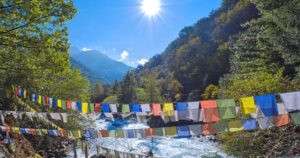
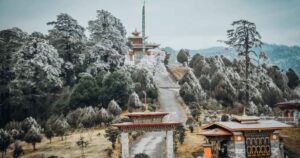
Popular treks include routes toward Jomolhari Trek and the legendary Snowman Trek, which passes through remote Himalayan landscapes and traditional villages. Trekkers experience alpine forests, yak herders’ camps, and dramatic views of the Himalayas.
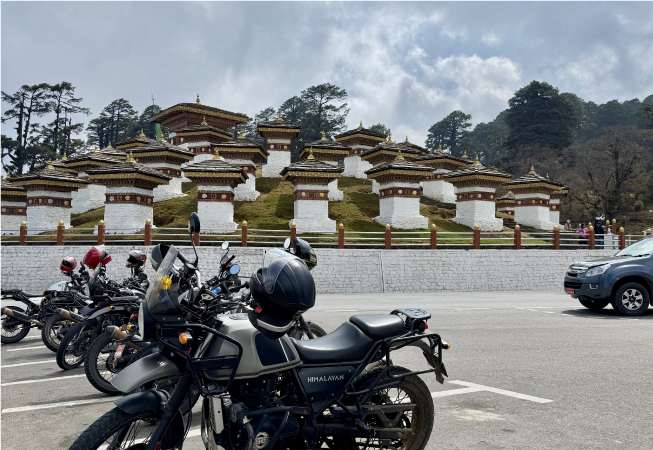
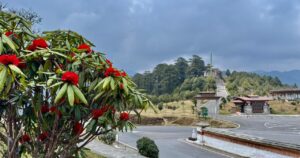
One of the best places to see them is Rhododendron Garden at Lamperi, located near the famous Dochula Pass. The colorful blossoms combined with Himalayan views make this season magical for nature lovers.
The most famous ones include Paro Tshechu and Thimphu Tshechu. During these events, monks and lay dancers perform sacred mask dances (Cham), believed to bring blessings and remove negative energies. It is one of the best ways to experience Bhutanese culture.
They gather in Phobjikha Valley, where visitors can watch these graceful birds flying over the valley’s wetlands. The valley is also known for peaceful landscapes and traditional farming communities.
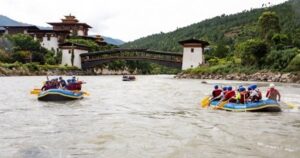
The rivers Mo Chhu and Pho Chhu near Punakha Dzong offer exciting rafting routes with views of forests, villages, and historic dzongs along the riverbanks.
It’s also a quieter travel season, perfect for travelers who want peaceful experiences, photography, and clear views of the Himalayas.
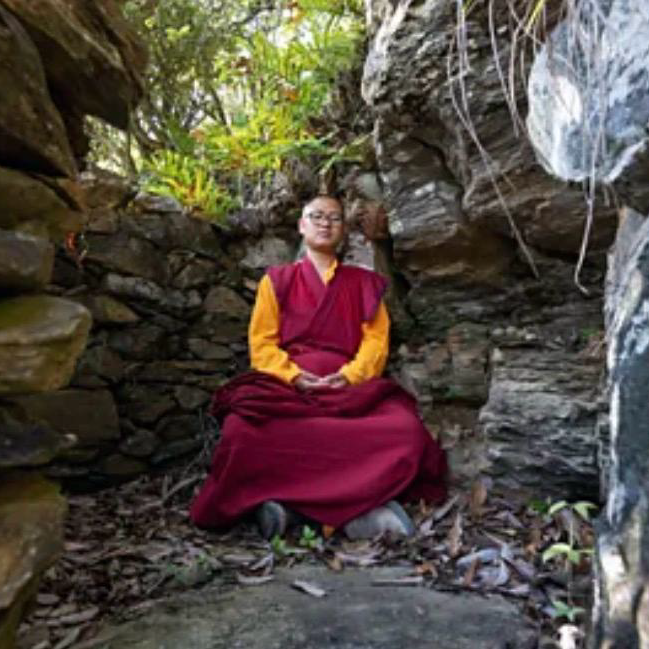
The country follows the philosophy of Gross National Happiness rather than focusing only on economic growth.
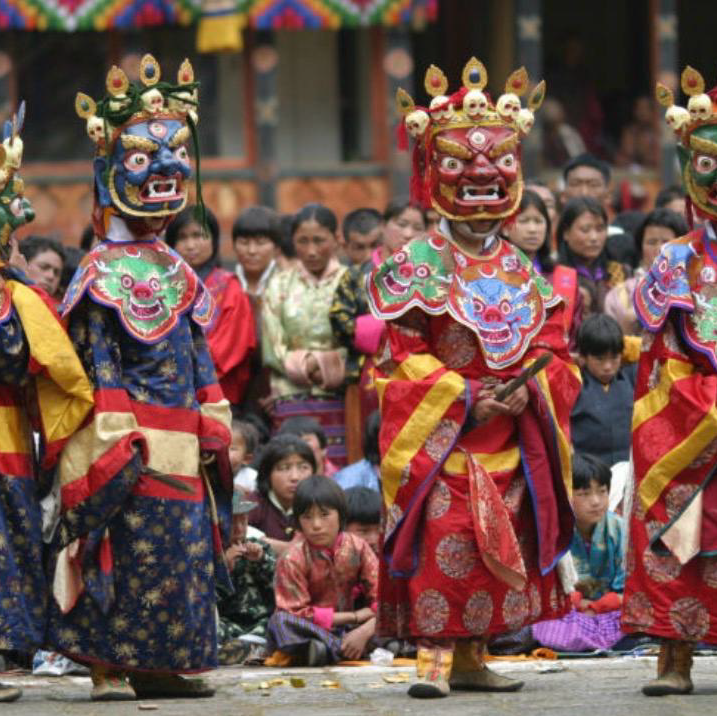
Traditional dress, architecture, and festivals remain an essential part of everyday life.
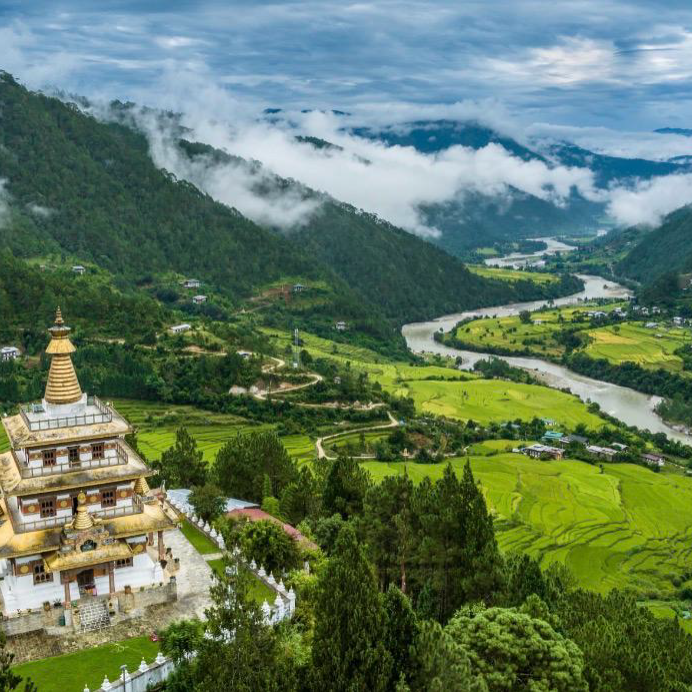
Its forests cover more than 70% of the land and absorb more carbon than the country produces.

The country remained largely isolated from the outside world until the late 20th century.
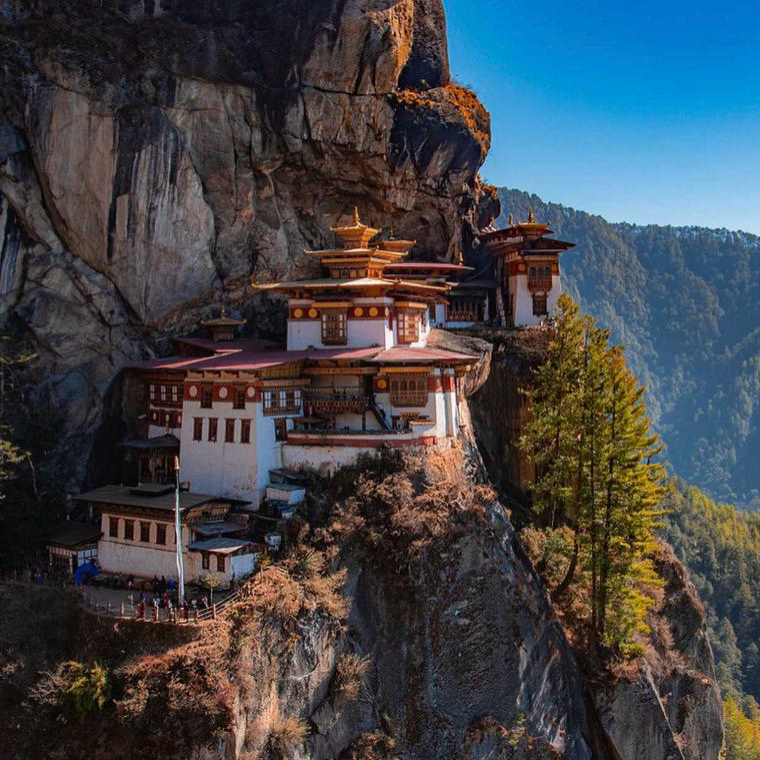
Paro Taktsang is built on a dramatic cliff and is one of Bhutan’s most sacred sites.
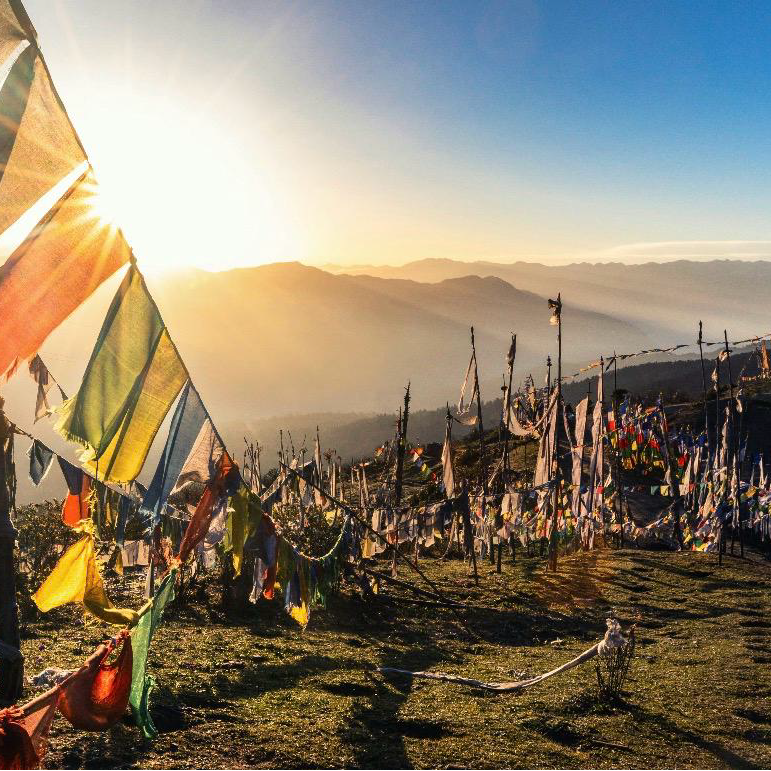
Remote regions like Laya and Gasa offer pristine trails far from crowded trekking destinations.

Driftmates Adventure
Typically replies within minutes
Any questions related to Bhutan?
WhatsApp Us
Online | Privacy policy
WhatsApp us