No products in the cart.
(0+)
₹30,000.00From₹23,999.00
(1+)
₹35,999.00From₹26,999.00
Language: Hindi and Pahari dialects
Currency: Rupiah
Religion: Buddhism
Timezone: GMT+8
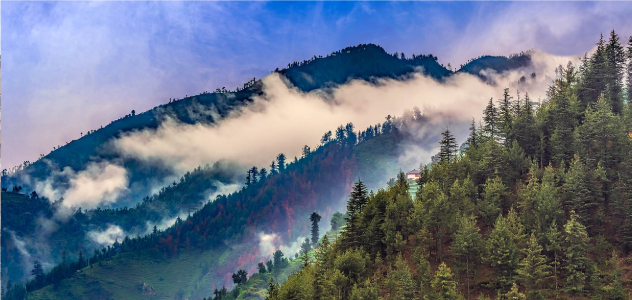
Himachal Pradesh isn’t just a landscape, it’s a story told by time, rivers, mountains, trade routes, kingdoms, faith, and the resilient people who have lived here for millennia. The foothills of this state witnessed human presence as early as the era of the Indus Valley Civilization, with evidence suggesting habitation in valleys like Bangana and Sirsa nearly 4,000 years ago as part of broader ancient Indian culture. As waves of migration and evolving clans spread across northern India, the hills became both refuge and crossroad, sheltering communities from invasions while also connecting them to trans-Himalayan trade and spiritual exchange.
Long before it was drawn on political maps, Himachal was known to ancient travelers as a land of dense forests, roaring rivers, and steep ridges, a fertile cradle for centuries-old hill kingdoms that emerged independently or under loose suzerainty of larger Himalayan powers. Over time, these mini-kingdoms and principalities centered around spiritual shrines and terraced fields fostered their own traditions, architecture, and social systems rooted deeply in mountain ecology.
The British era marked a significant chapter in Himachal’s evolution. With the declaration of Shimla as the Summer Capital of British India in 1864, the region entered a new phase of connectivity and cultural blending. Colonial roads, railway links, administrative offices, and summer estates introduced new influences that mingled with local styles, creating a unique cultural tapestry. This history of exchange between tribe and empire, pilgrim and wanderer still reverberates through the stone temples, wooden forts, colonial facades, and lively bazaars that dot the landscape.
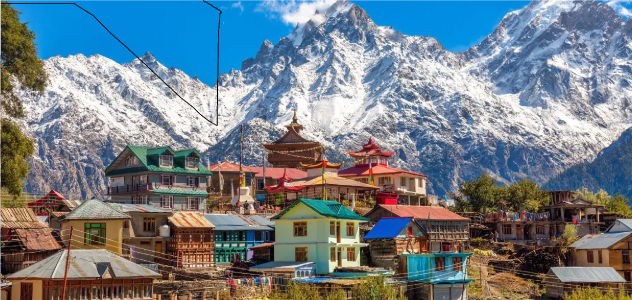
Post-independence, Himachal was formed by integrating scores of princely hill states into a single administrative unit, eventually becoming the 18th state of India in 1971. From the subtropical lower hills to alpine meadows and glacial heights, the state’s dramatic elevation range shaped its human story as much as its physical one.
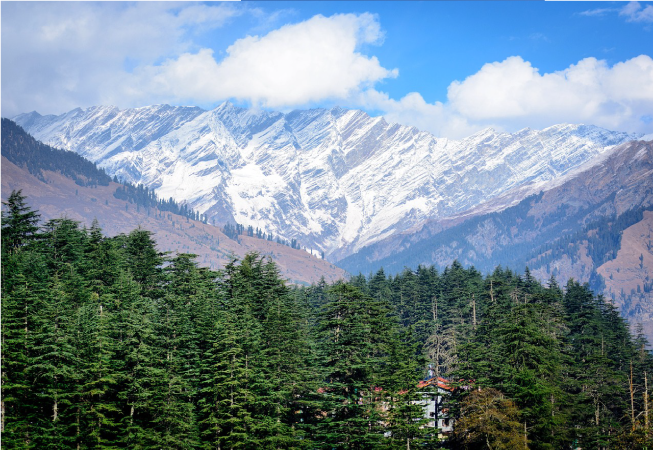
Today, Himachal’s attractions are many and varied from the colonial charm of Shimla’s Ridge and Mall Road, the high Himalayan passes of Rohtang and Atal Tunnel, the spiritual sanctuaries of Dharamsala and Mcleod Ganj, the vast cold desert of Spiti Valley with its ancient gompas, to the broad Kullu Valley with its sprawling apple orchards and river canyons. Each region feels like a chapter in a rich mountain saga: one that’s spiritual, adventurous, scenic, and evocative all at once.
What makes Himachal truly special is not just its geography, nor its monuments alone, but the sense of continuity you can walk paths once trod by traders, pilgrims, and sages; climb ridges that guarded kingdoms; or sit by rivers that shaped community life for generations. This blend of heritage, nature, and lived culture makes Himachal more than a tourist destination. This makes it a place that stays with you, a land of mountain memory.
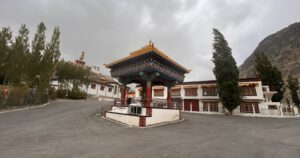
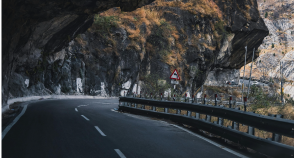
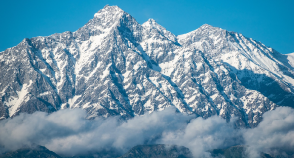
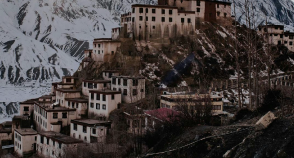
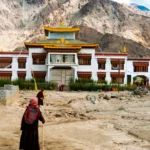
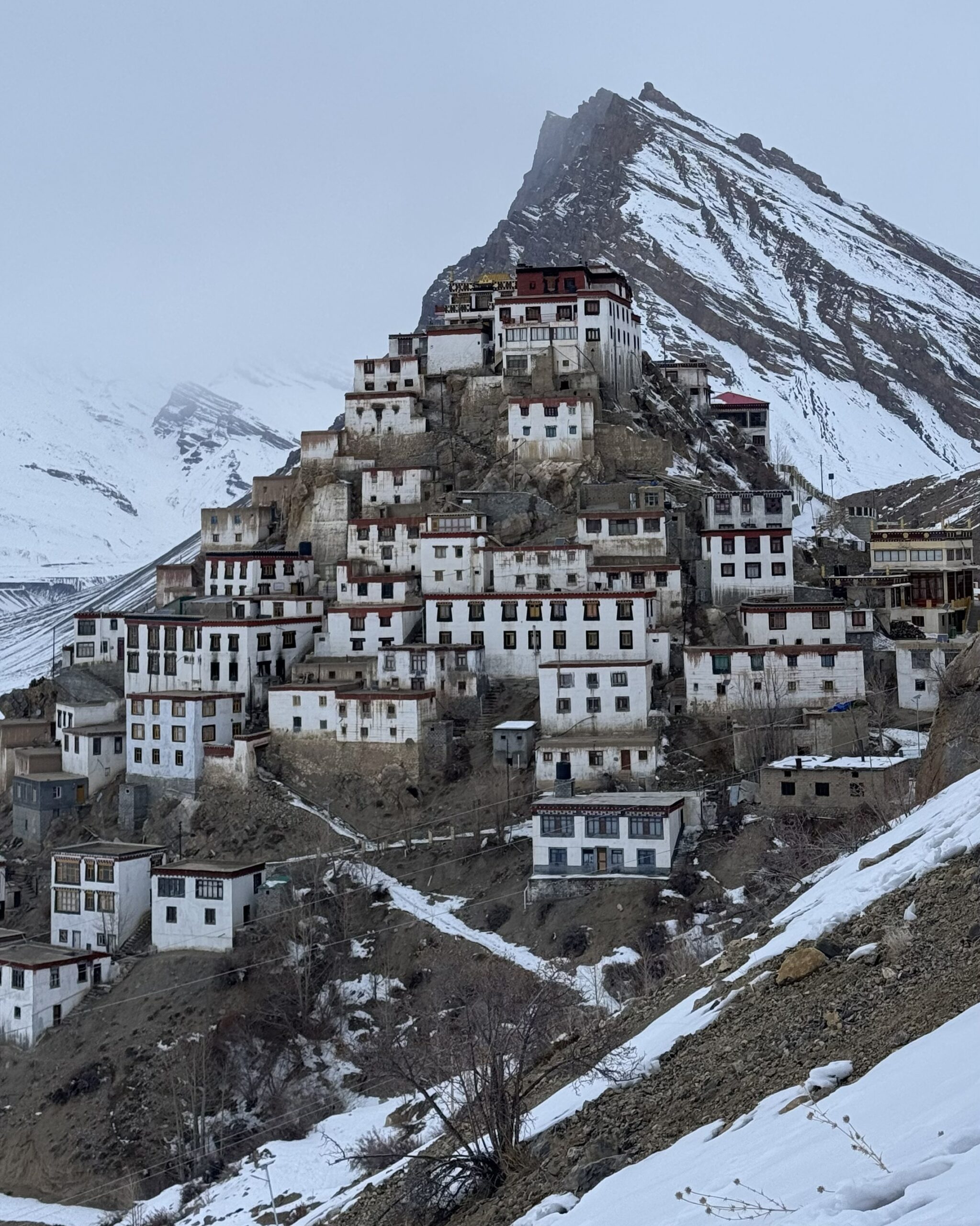
Visit ancient gompas like Tabo Monastery, one of Asia’s oldest continuously operating Buddhist centers and immerse in the spiritual calm of cliff-top monasteries and desert landscapes.
The Shimla–Kinnaur–Spiti winter corridor and summer routes via Manali–Rohtang–Lahaul offer dramatically different experiences from snow-lined roads to sprawling alpine views.
From easy forest trails around Dharamsala to multi-day treks within the UNESCO-recognized Great Himalayan National Park, Himachal is a trekker’s paradise.
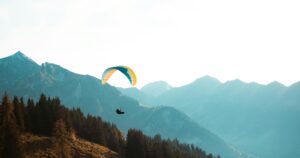
Paragliding over verdant valleys at Bir Billing (one of the world’s best sites), river rafting on the Beas, mountain biking, and in winter, skiing and ice skating near Shimla are all top draws.
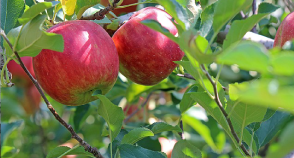
In spring and summer, valleys like Kullu and Shimla burst into bloom. Walking through orchards and meeting local growers is an experience rooted in Himachali rural life.
Events like the Shimla Summer Festival and Mandi Shivaratri Fair celebrate local dance, music, art, and traditions offering authentic insights into Himachali community life.
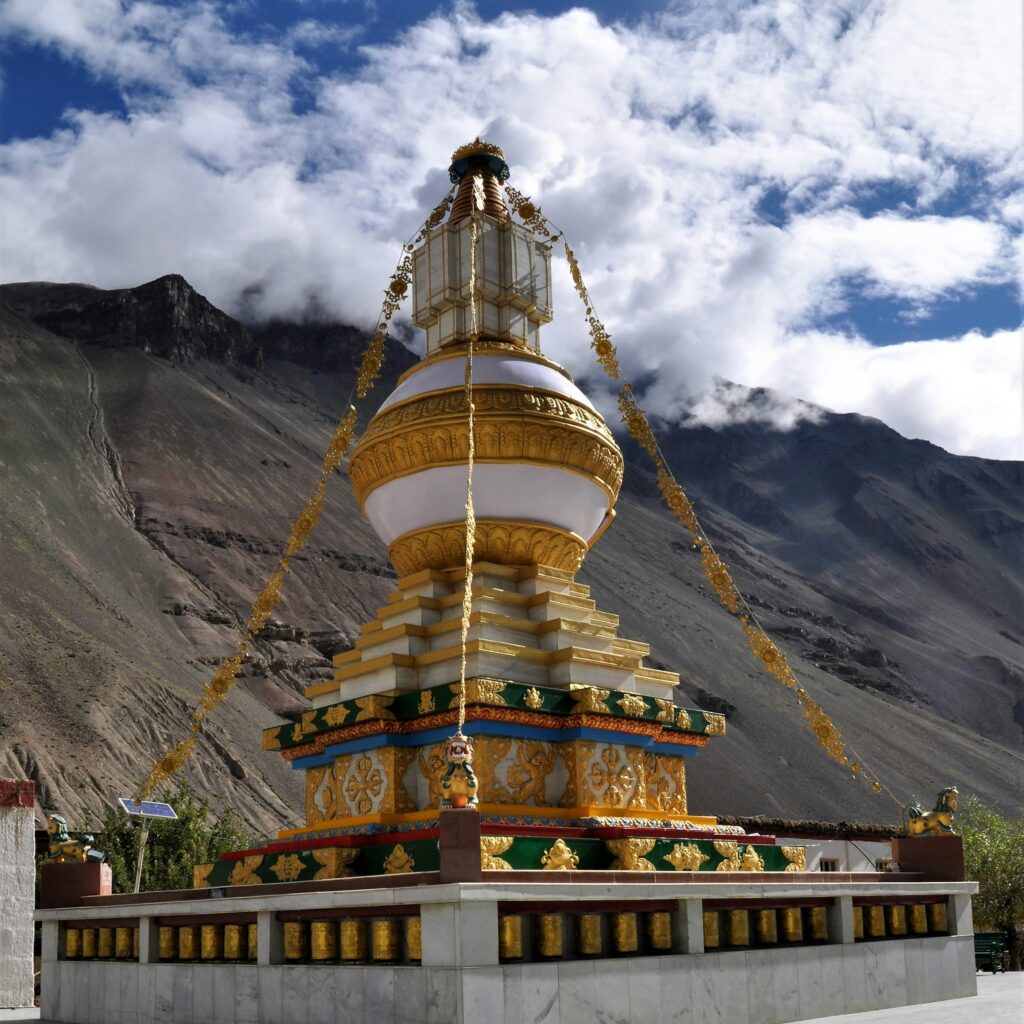
Tabo Monastery in Spiti has been continuously active since 996 AD, making it one of the oldest Buddhist monasteries in the world.

Shimla’s Ice Skating Rink is one of Asia’s oldest natural ice rinks, and the state is now upgrading it to world-class standards.
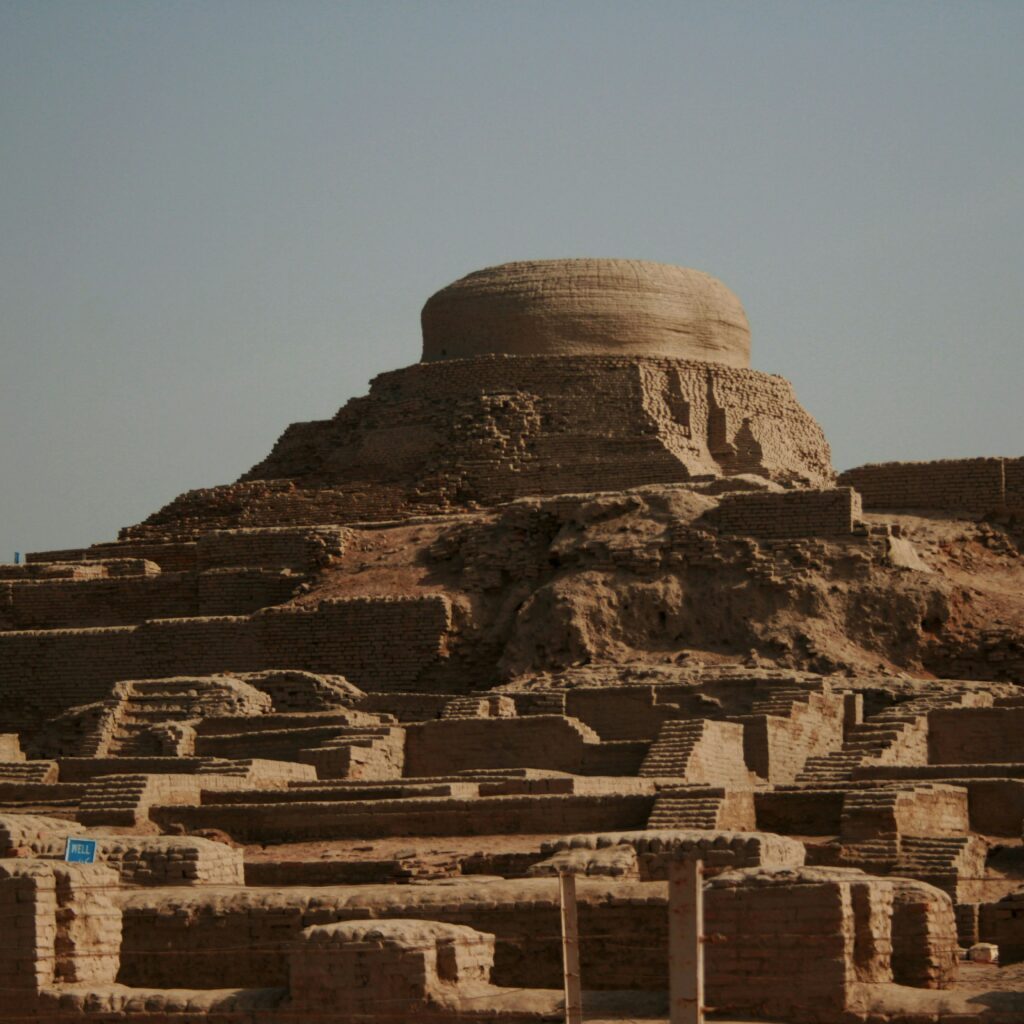
Himachal was shaped by the Indus Valley Civilization, with early human settlements dating back thousands of years.
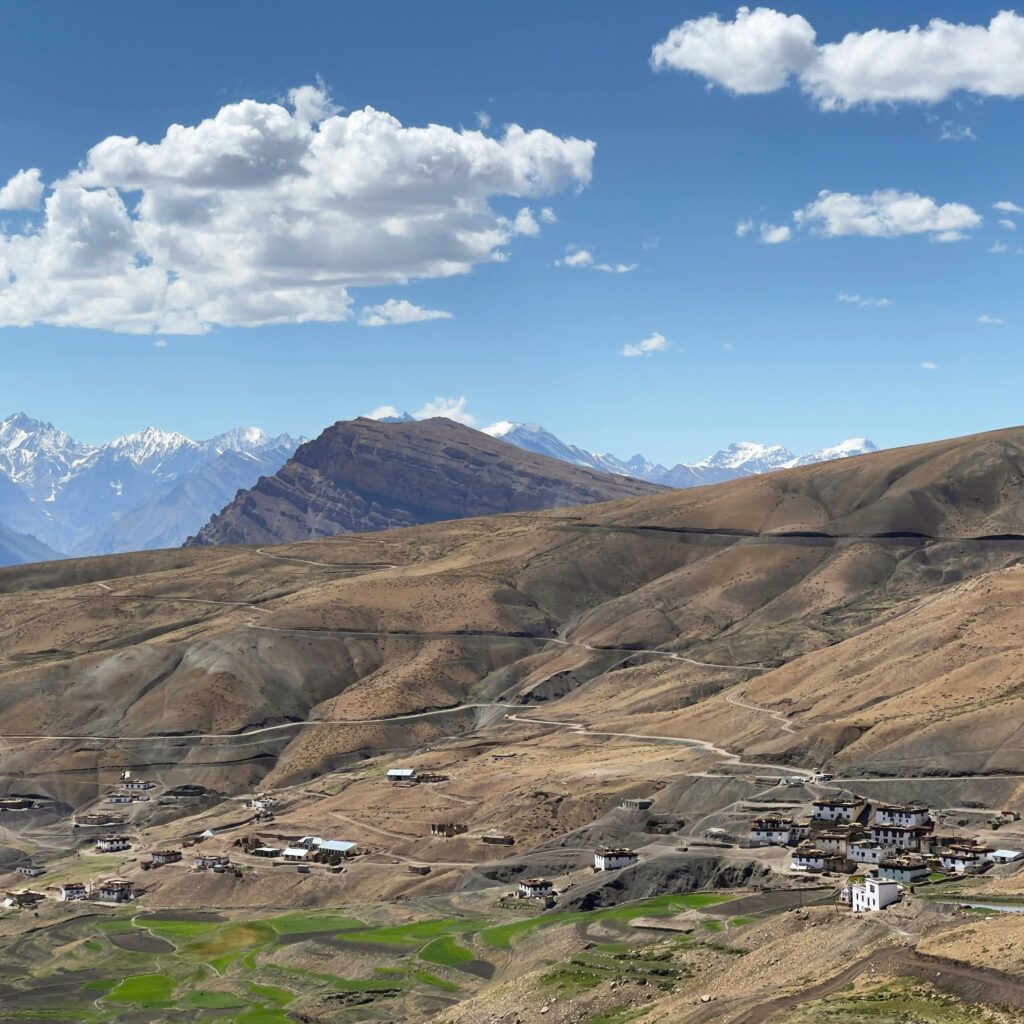
Komic Village (Spiti) ranks among the highest motorable villages on Earth, giving visitors a glimpse of extreme Himalayan life.
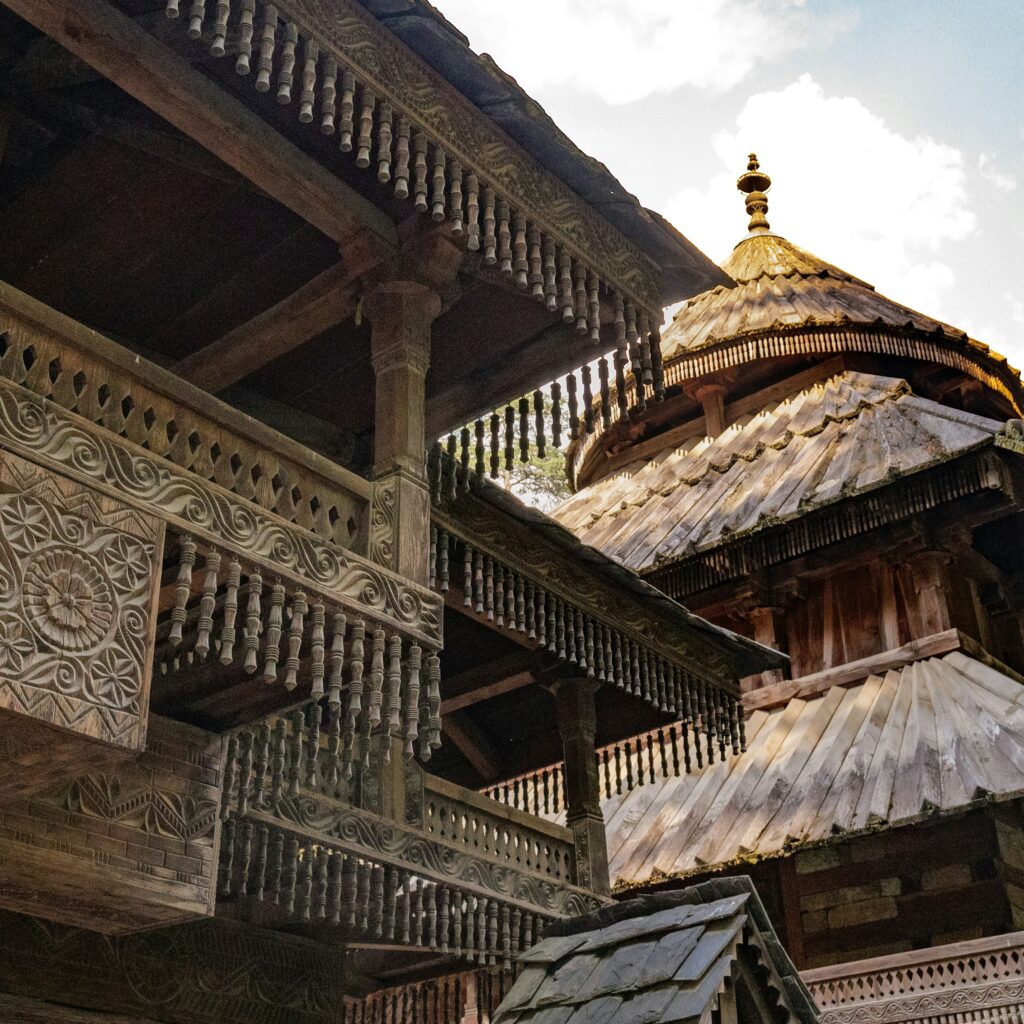
Kath-Kuni architecture, prevalent in many Kinnauri temples and houses, is an ancient earthquake-resistant wood and stone building style unique to Himachal.
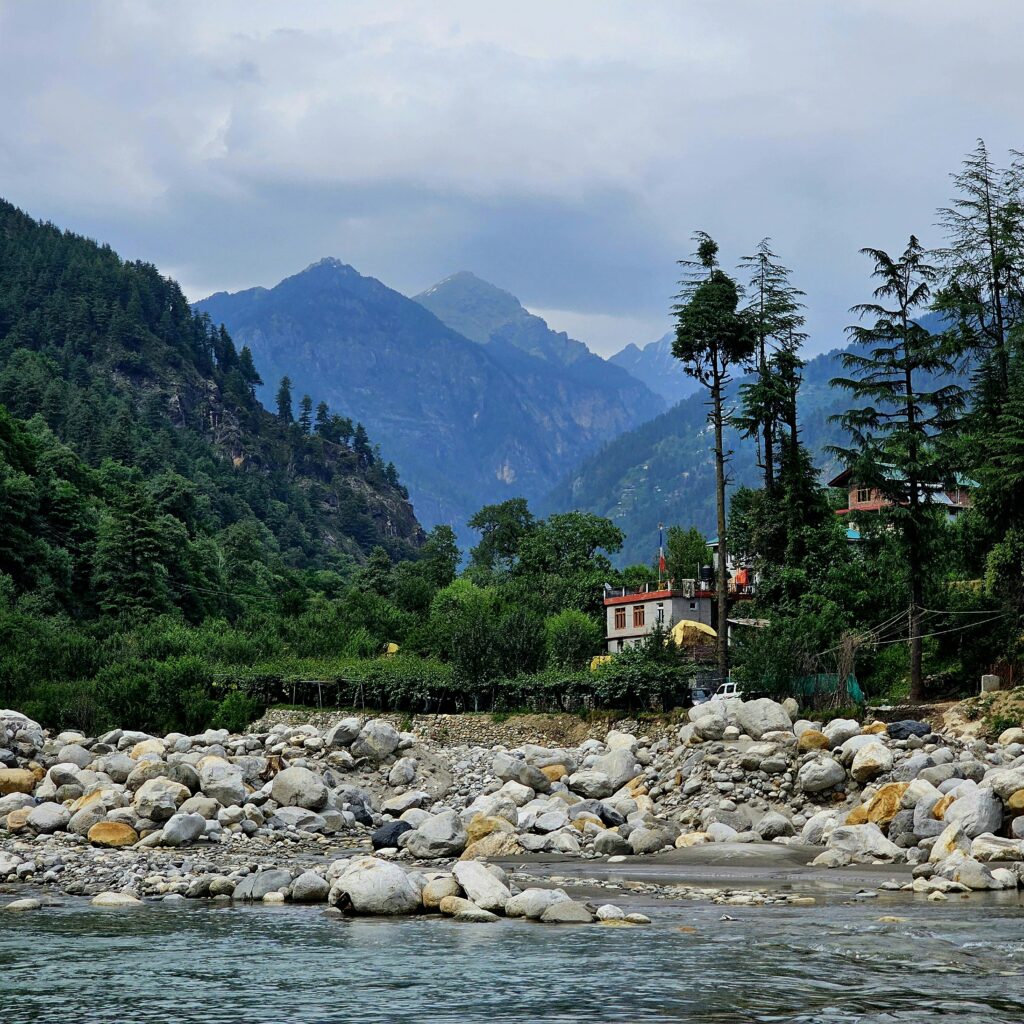
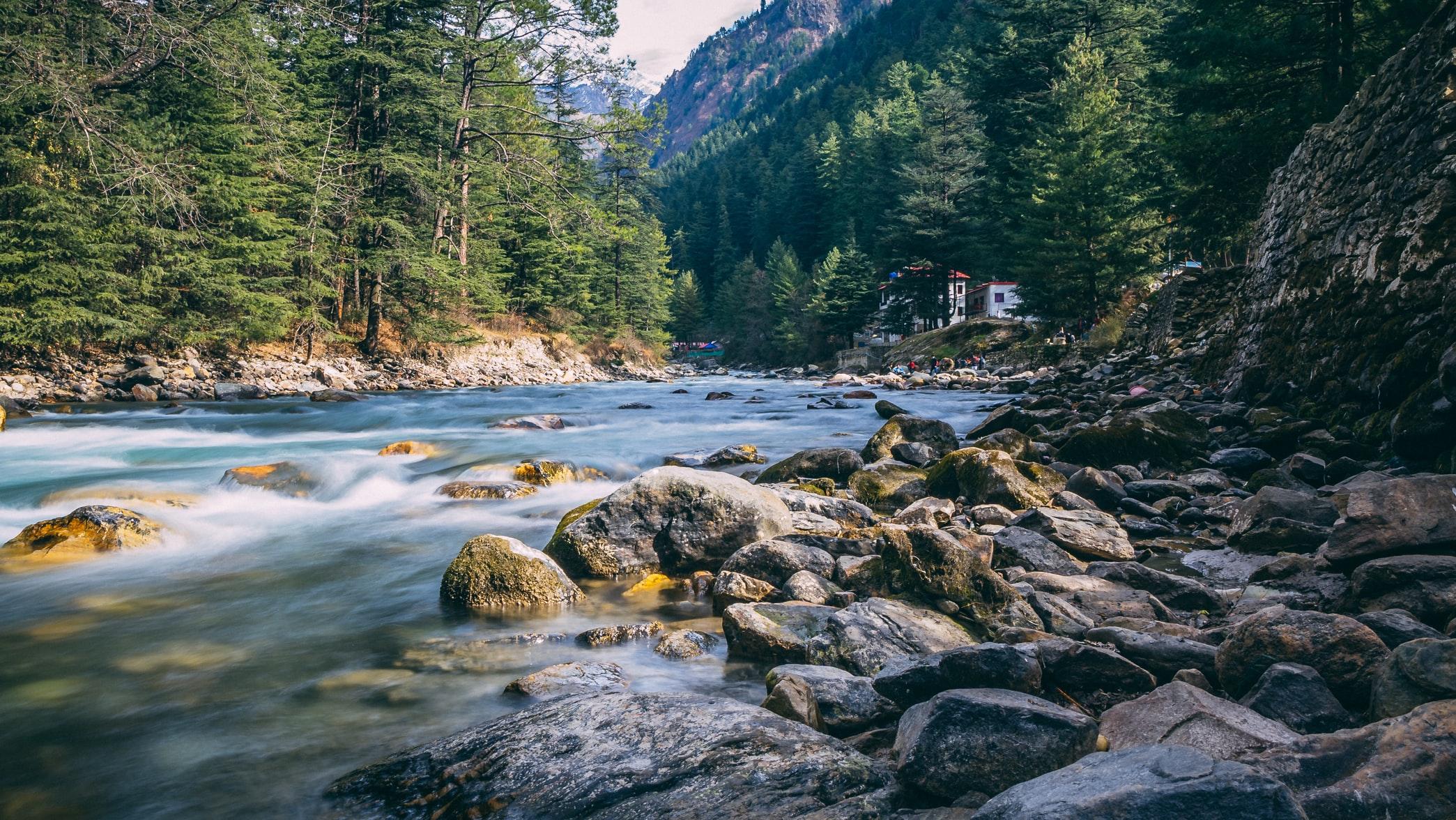
Himachal’s rivers Beas, Sutlej, Ravi, Chenab originate from glacial sources, shaping not just landforms but livelihoods, culture, and legends across valleys.

Driftmates Adventure
Typically replies within minutes
Any questions related to Himanchal Pradesh?
WhatsApp Us
Online | Privacy policy
WhatsApp us