No products in the cart.
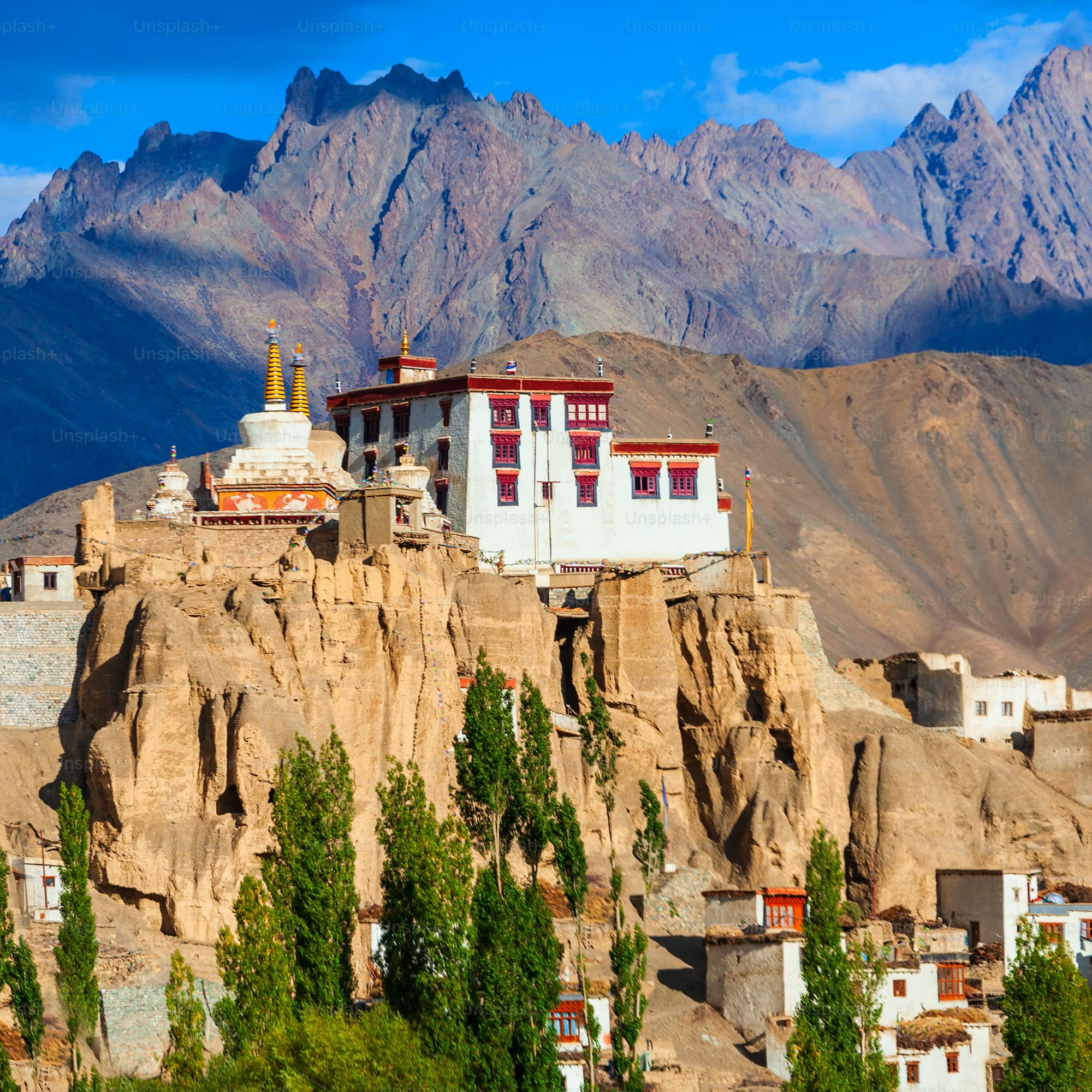
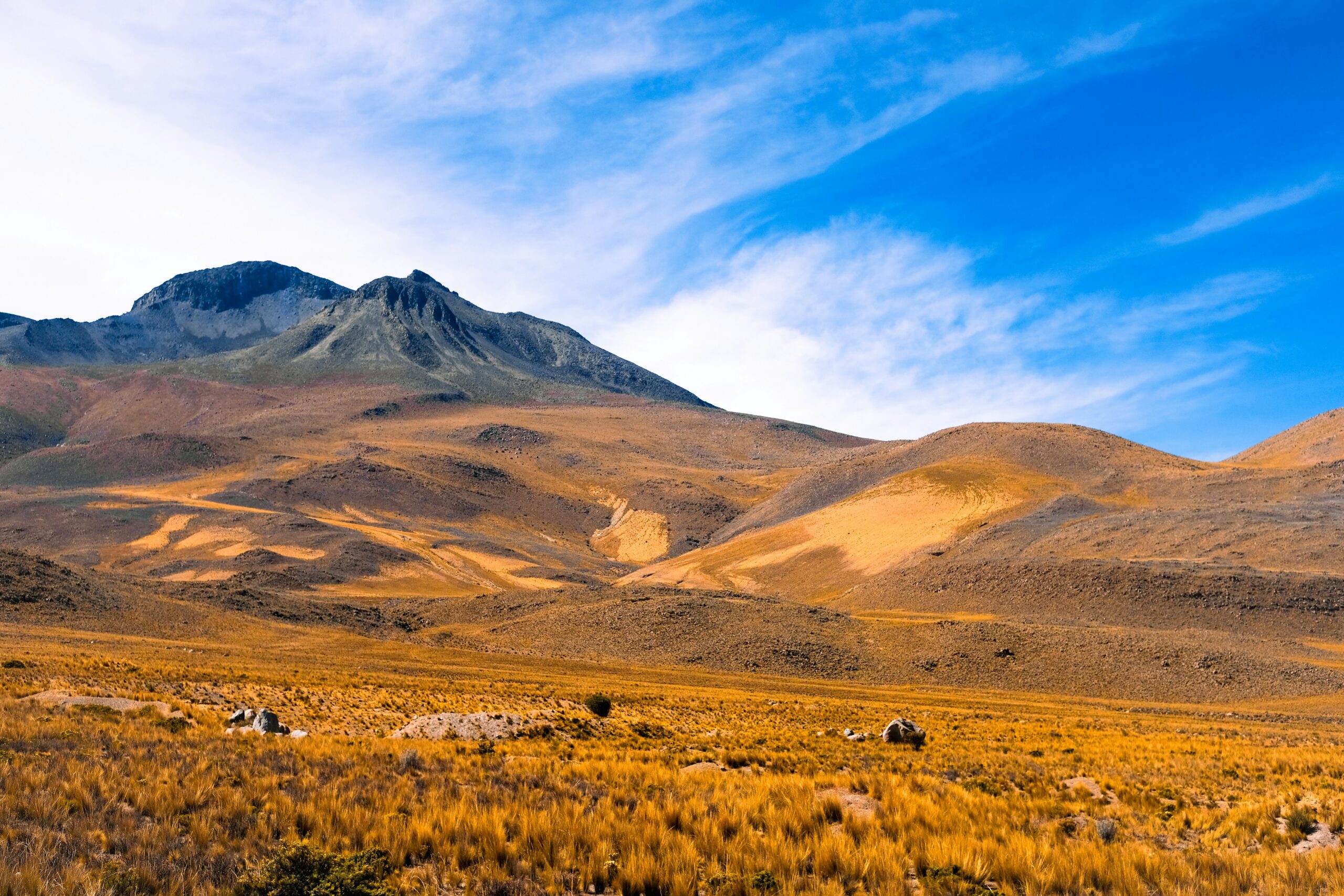
Ladakh, often referred to as the “Land of High Passes,” has a long and strategically significant history shaped by its geographical location between Central Asia, Tibet, and the Indian subcontinent. The region’s early history dates back to prehistoric times when it was inhabited by Indo-Aryan and Tibetan ethnic groups. Due to its position along the ancient Silk Route, Ladakh became an important center for trade and cultural exchange between merchants traveling from China, Central Asia, and India.
During the 1st century, Ladakh was influenced by the Kushan Empire, which helped in spreading Buddhism across the region. By the 7th century, Ladakh came under the control of the expanding Tibetan Empire. Tibetan culture, language, and Buddhism had a lasting impact on Ladakhi society, which can still be seen today in its monasteries, traditions, and way of life. After the fall of the Tibetan Empire in the 9th century, Ladakh emerged as an independent kingdom under local rulers.
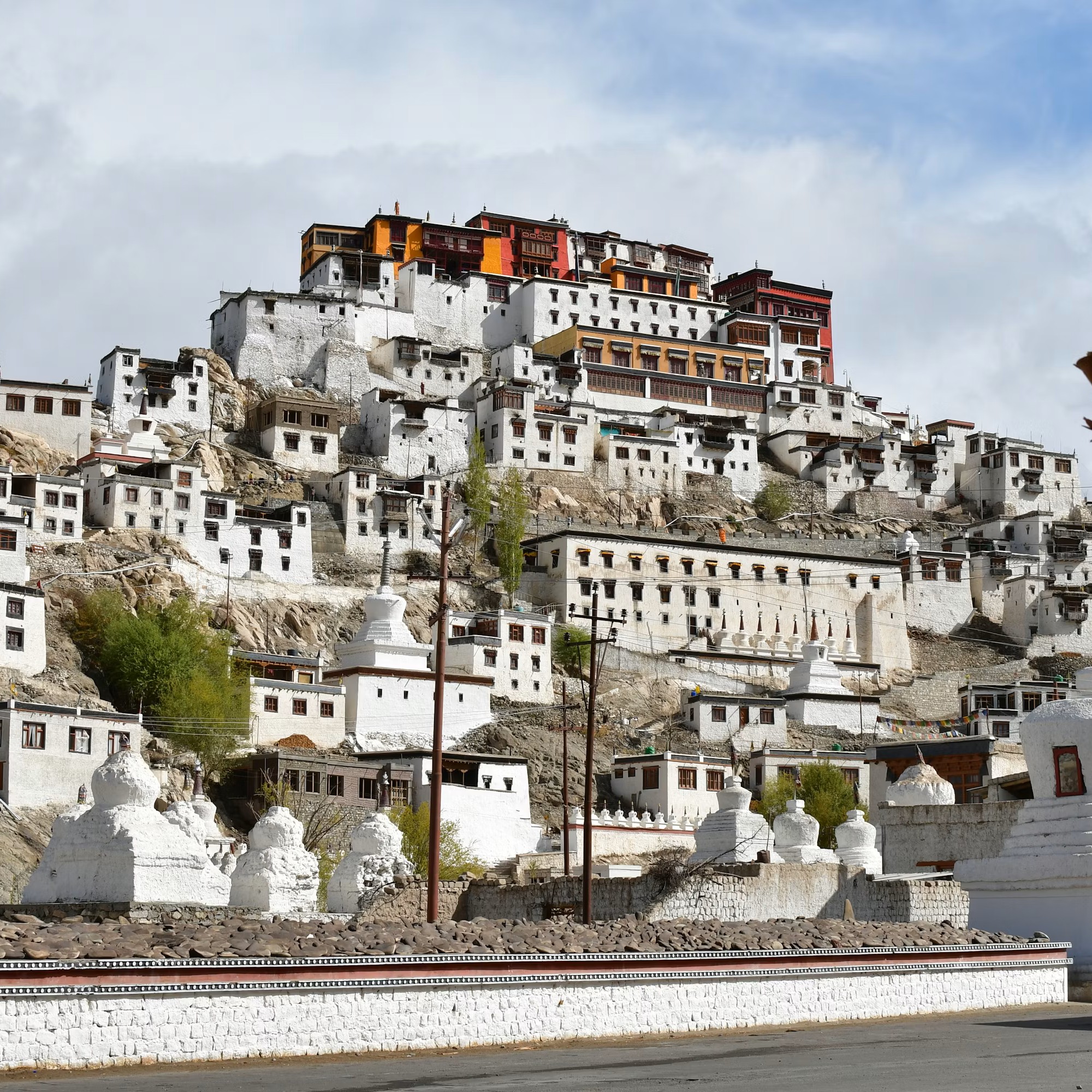
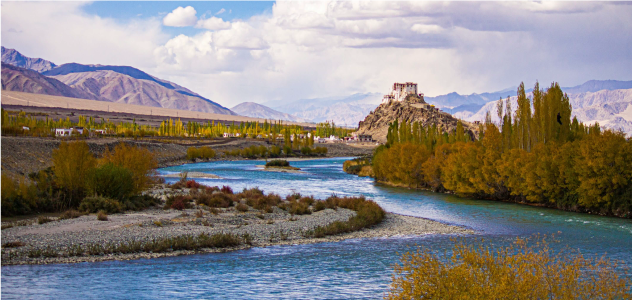
In the 10th century, the foundation of the Ladakhi monarchy was established by Nyima-Gon, a Tibetan prince. He founded a new dynasty that ruled Ladakh for several centuries. This period saw the growth of Buddhism and the construction of many monasteries across the region such as Thiksey Monastery and Diskit Monastery. These monasteries played a major role not only in religious practices but also in education and administration.
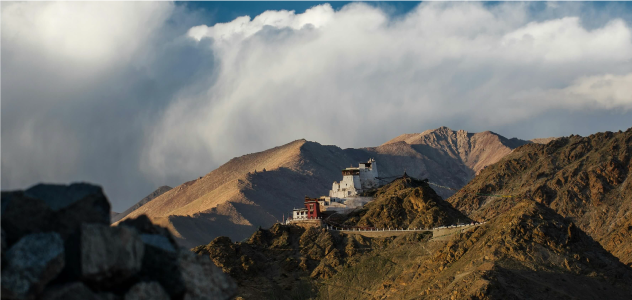
By the 16th and 17th centuries, Ladakh became a powerful Himalayan kingdom under the Namgyal dynasty. King Sengge Namgyal is considered one of the most prominent rulers who expanded the kingdom and built several important structures including the famous Leh Palace. The palace served as the royal residence and symbolized the political strength of Ladakh during that period.
In the 19th century, Ladakh was invaded by the Dogra forces under General Zorawar Singh, who was serving the ruler of Jammu. In 1834, Ladakh was annexed into the princely state of Jammu and Kashmir. This marked the end of Ladakh as an independent kingdom. After India gained independence in 1947, Ladakh became part of the Indian Union as a region of Jammu and Kashmir.