
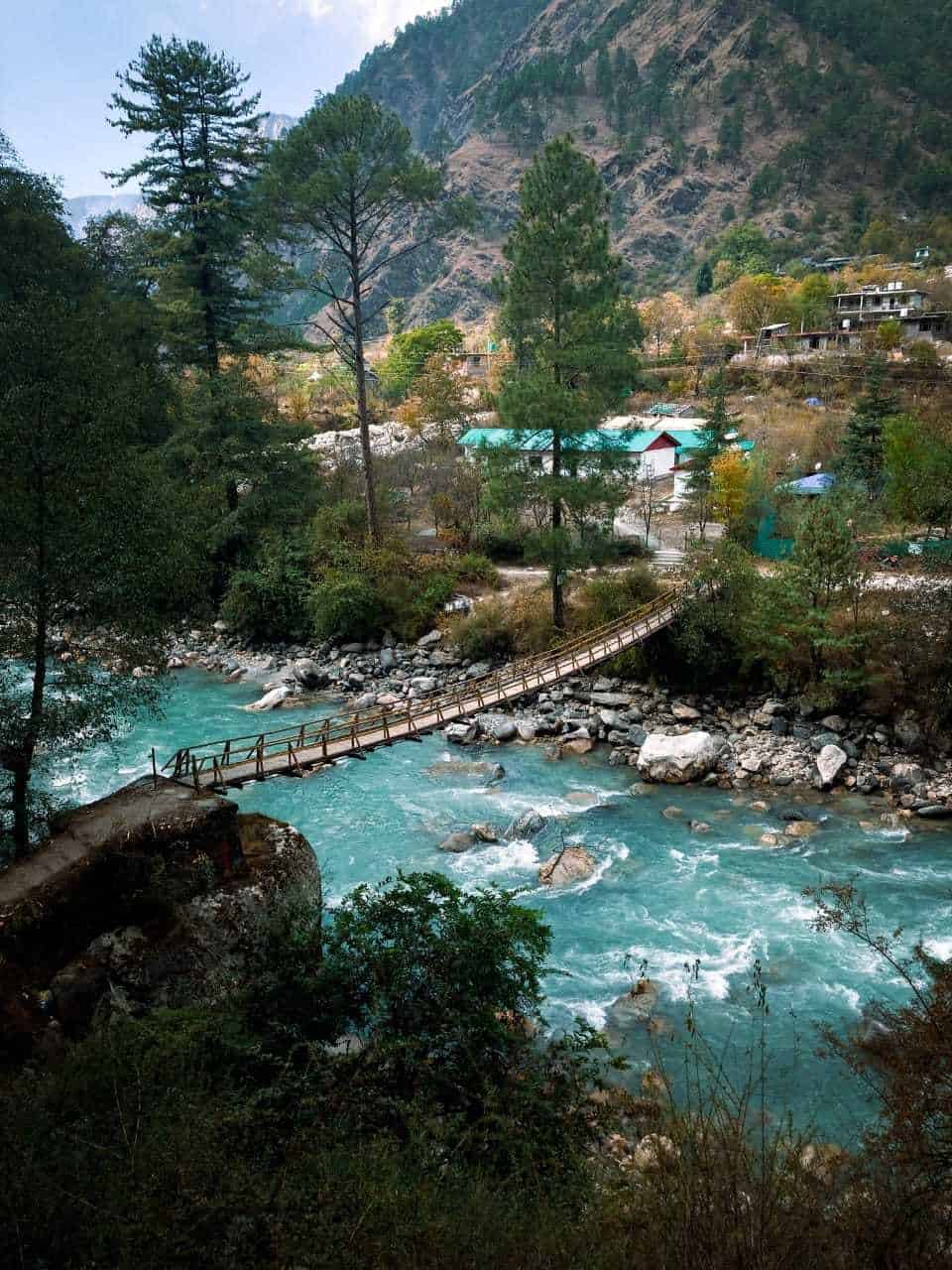
By Driftmates | March 12, 2027
What actually makes a route safe
Safety is one of the most talked-about words in trekking, and one of the least explained. Most people booking a Himalayan trip want to know it’s in good hands, but rarely get told what that actually involves. In this article, we walk through what goes into making a route safe from the planning stage long before you arrive, to the decisions made on the trail itself.
Defining a safe route
A safe route isn't one where nothing could ever go wrong — at altitude, in the mountains, that's not realistic for anyone. A safe route is one where the risks have been identified in advance, planned around, and prepared for. That means someone has physically walked the trail, understands how conditions change through the season, and has built the itinerary around what the terrain and altitude genuinely require, rather than what looks good on a schedule.
Planning around the mountains, not around a fixed plan
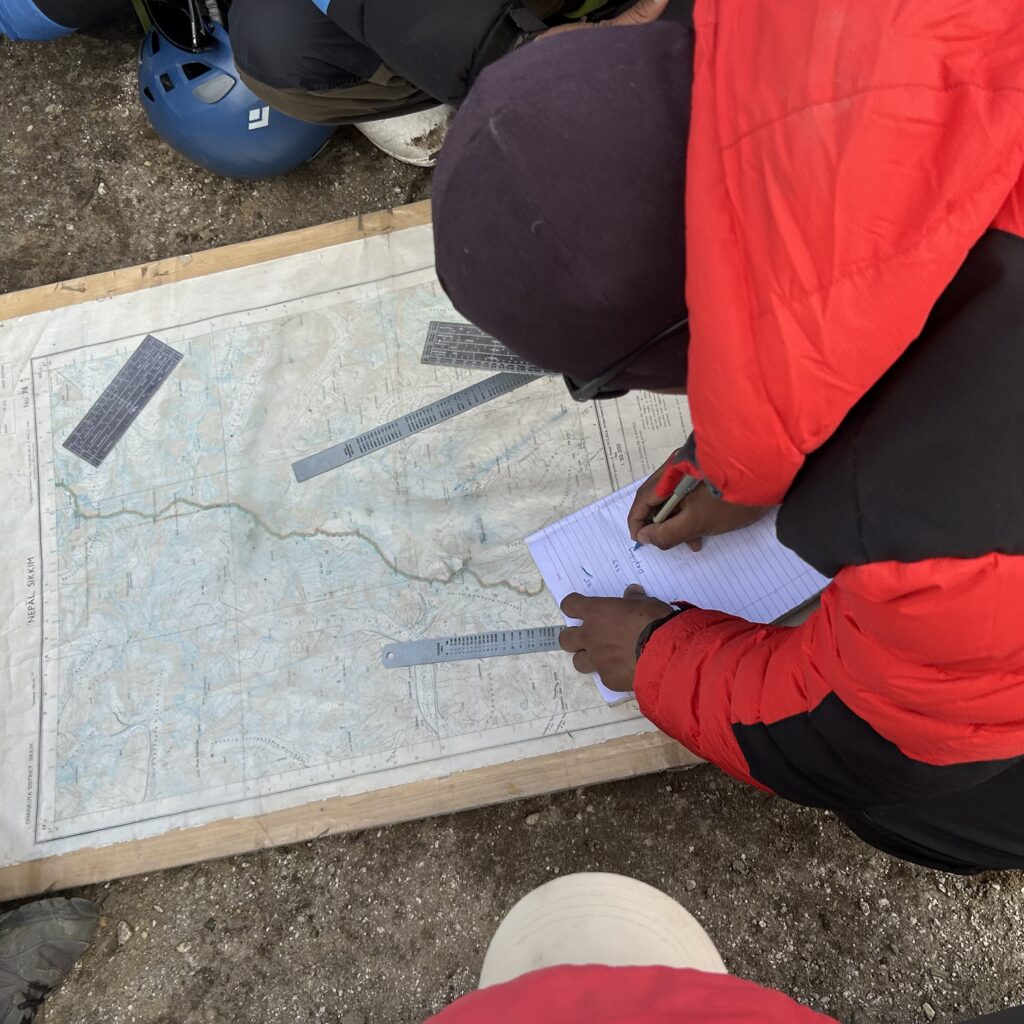
Mountain weather can turn quickly, and conditions that hold for days can shift within hours. A safe itinerary treats this as normal rather than an exception with buffer days, flexible routing, and guides who know when to pause or reroute rather than push ahead to stay on schedule.
How we plan for it
Before any Driftmates itinerary goes live, our team walks the route themselves. Landslide zones shift year to year, river crossings change with the season, and conditions on the ground rarely match what's written in an old trip report. Walking it ourselves is how we catch most of the real risk early, and it's also how we know where the acclimatization days genuinely need to sit, rather than just adding a buffer day for the sake of it.
Small groups, real training
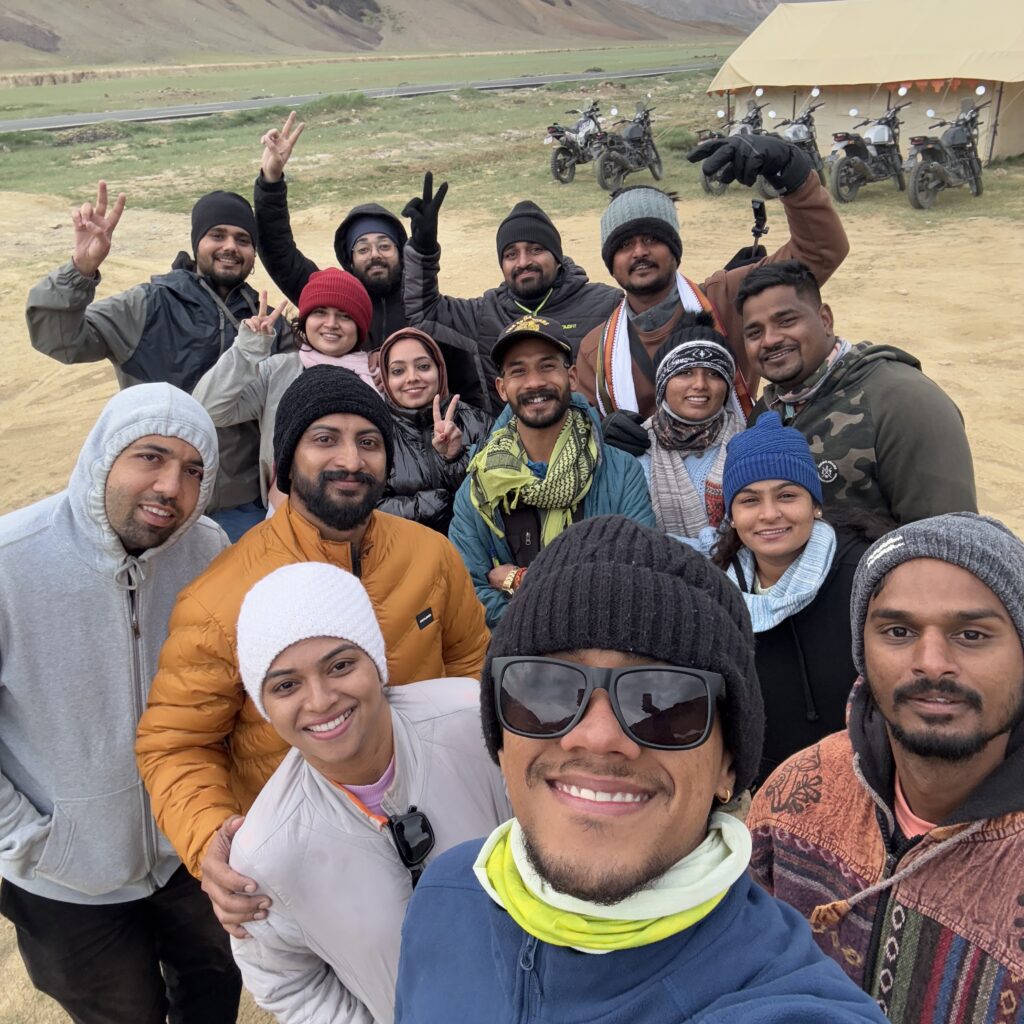
Keeping our groups small means our guides can genuinely stay aware of how each person is doing, not just where they are. And our team carries Advanced Mountaineering certification from HMI Darjeeling along with Disaster Management and First Response training, so if something does come up, there's a real plan behind the response.
The honest picture
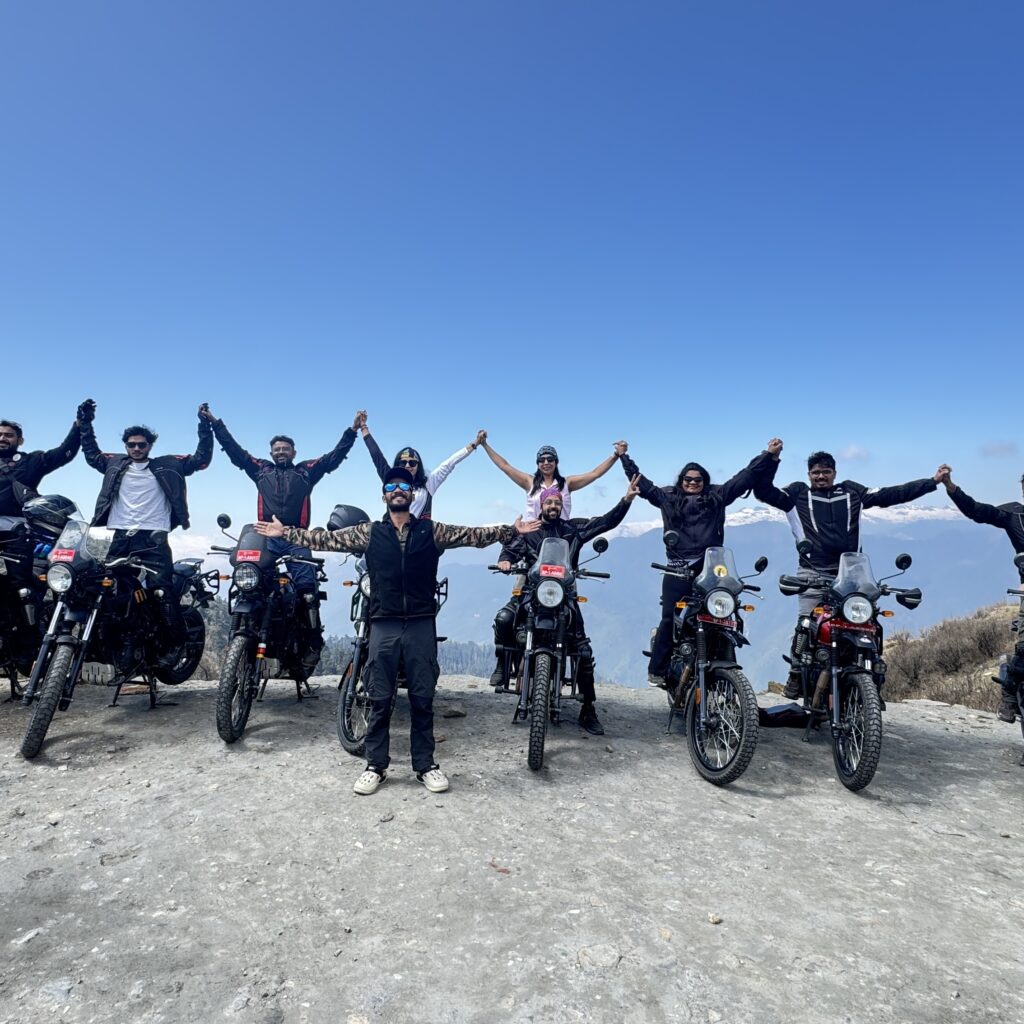
No trip in the Himalayas removes risk entirely, and any operator who promises that isn't being straight with you. What we can offer is a route that's been planned by people who've stood on that exact ground, with the training and preparation to respond well when conditions or plans need to change.

