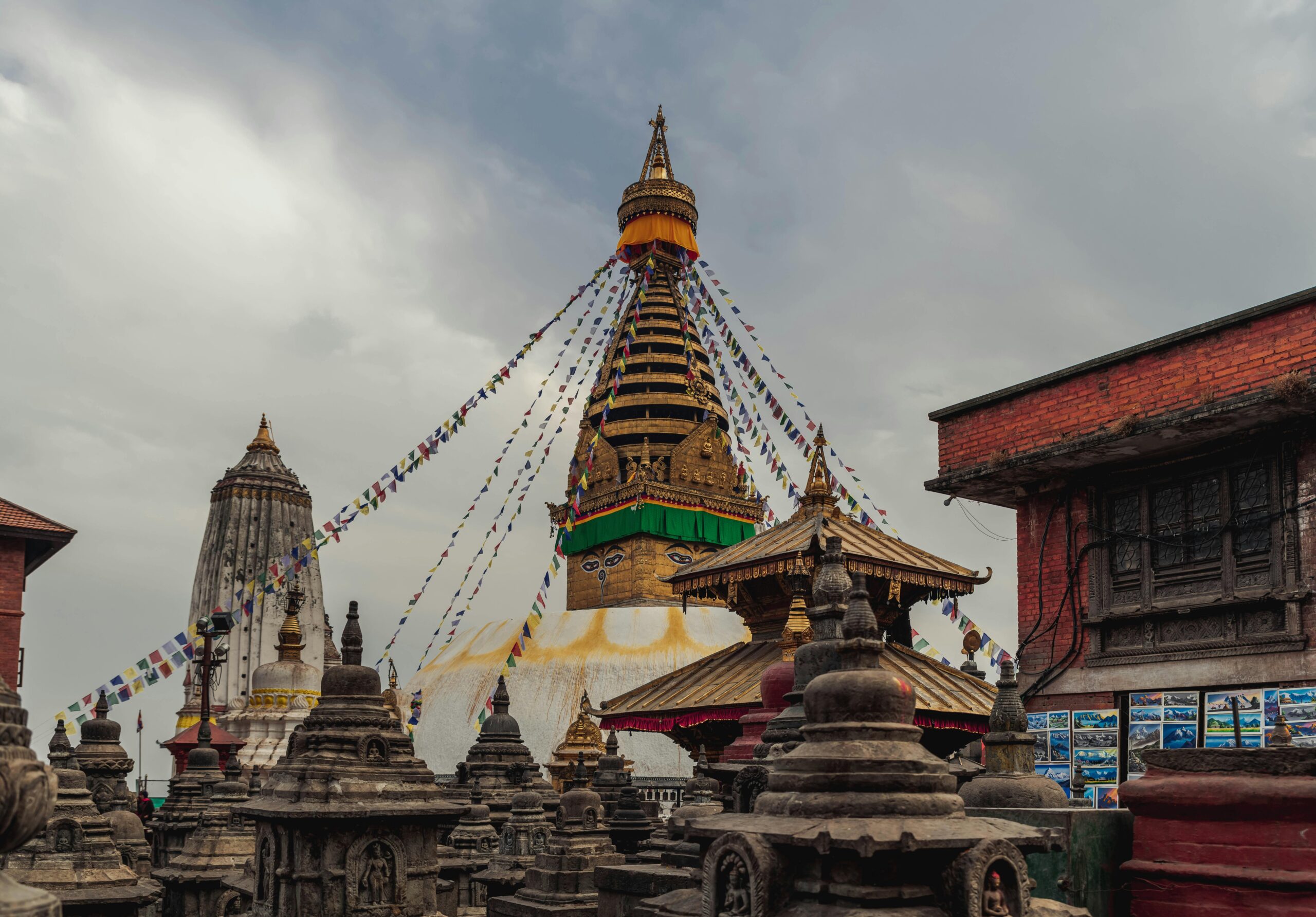
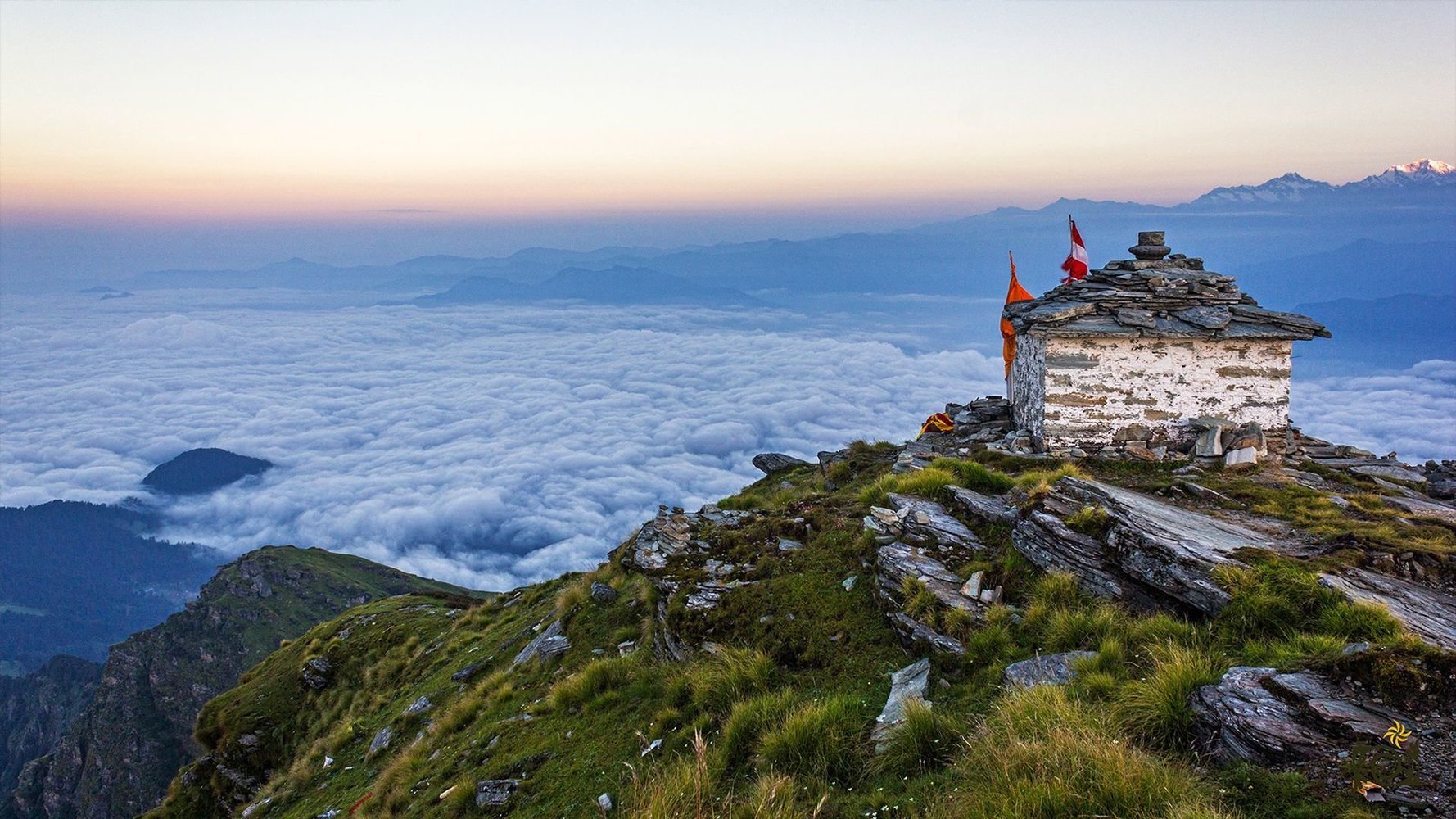
Day 1 – Arrival in Pokhara
- You arrive in Pokhara, the beautiful gateway to the Annapurna region.
- Meet your Driftmates group and your trek leader for the first time.
- We’ll have a quick briefing where everything will be explained — the route, weather, safety, and what to expect in the coming days.
- Take this time to sort your gear and relax after your journey.
Sleep well tonight — tomorrow, the mountains begin.
Day 2 – Pokhara to Ghandruk
- After breakfast, we begin our scenic drive towards Ghandruk.
- En route, we stop at Nayapul for permit formalities before continuing uphill.
- As we reach Ghandruk, you’ll notice traditional stone houses and a peaceful mountain vibe.
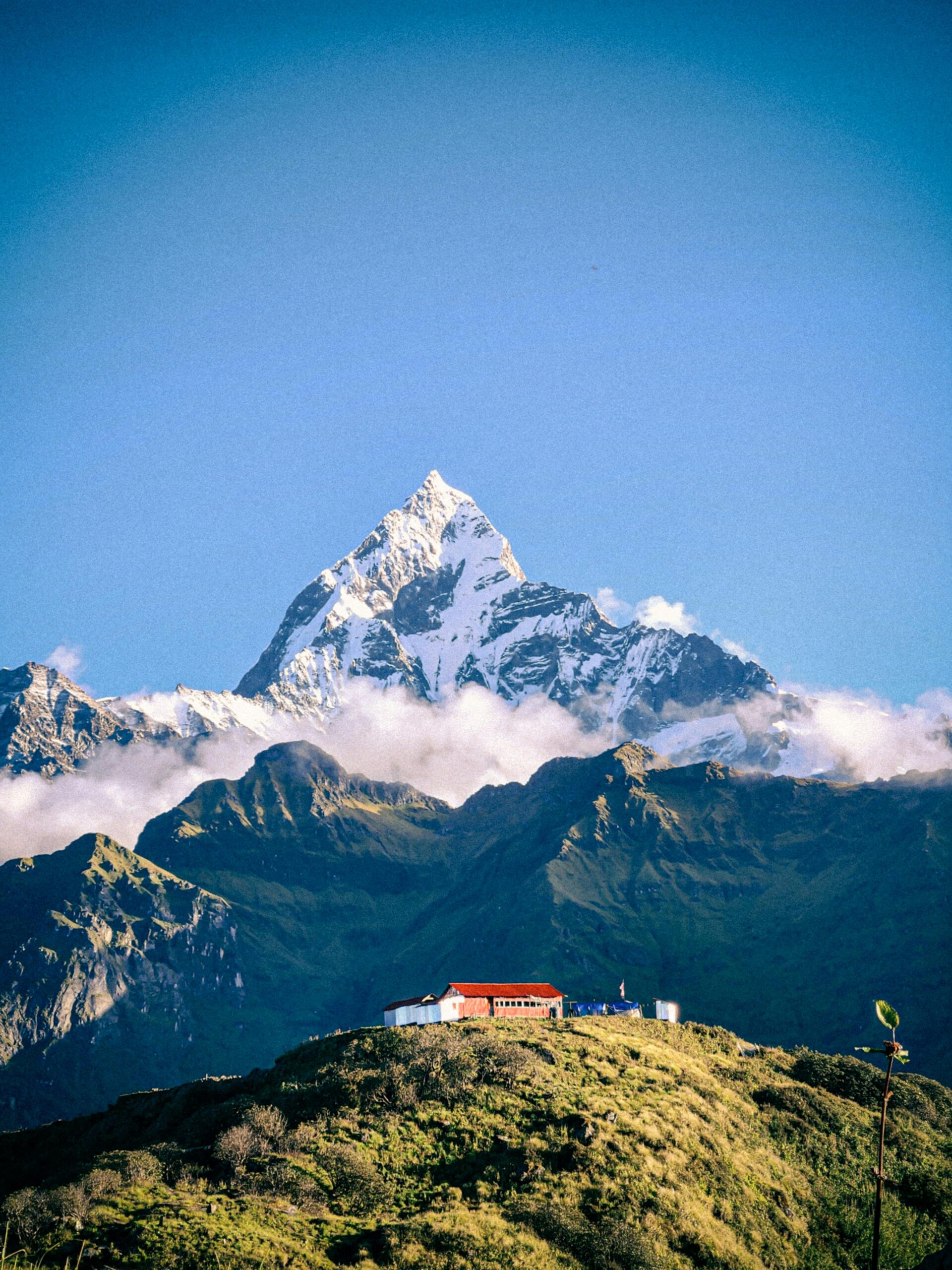
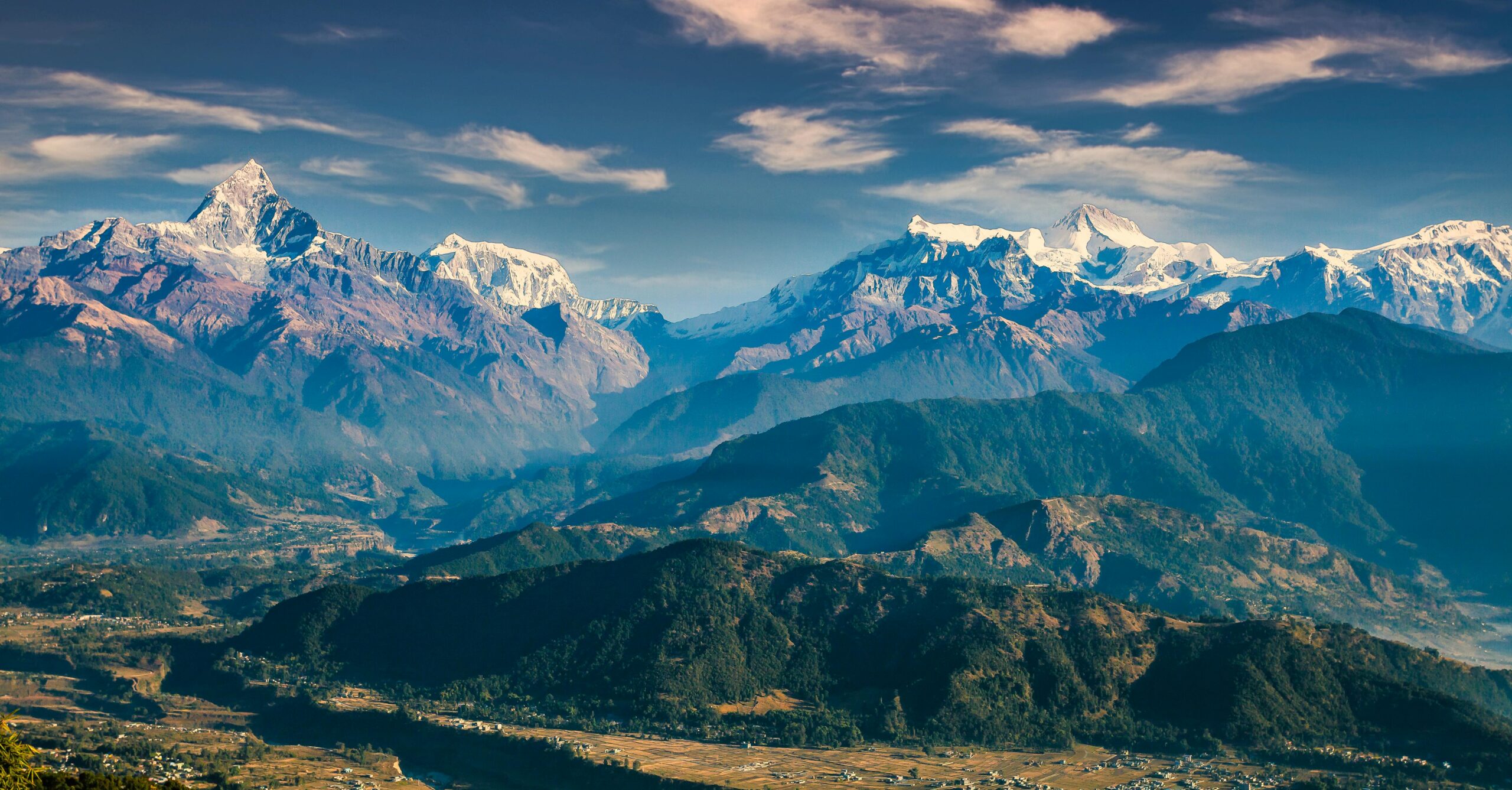
- In the evening, if the weather is clear, enjoy stunning views of Machapuchare and surrounding peaks.
A relaxed day to ease into the mountains.
Day 3 – Ghandruk to Lower Sinuwa
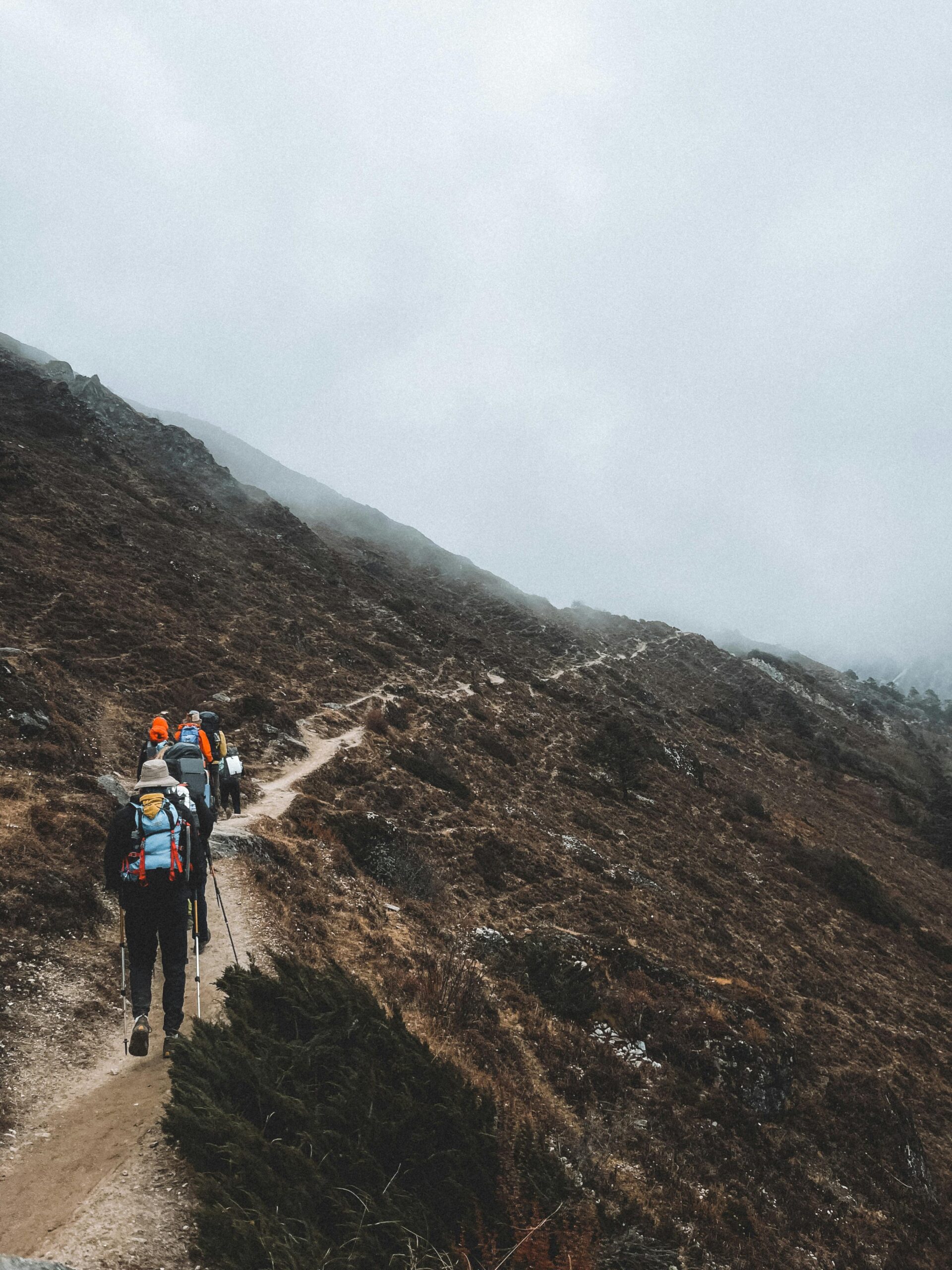
- Today is your first real trekking day — and it’s a mix of ups and downs.
- We start by walking through the village and gradually climb towards Kimrong Danda.
- After that, a steep descent takes us to the river, followed by a long climb to Chhomrong.
- Post lunch, we descend again and then climb stone steps to reach Lower Sinuwa.
It’s a tiring day, but this is where your trekking rhythm begins.
Day 4 – Lower Sinuwa to Deurali
- We start with a short climb and then enter dense forest trails filled with bamboo and rhododendron.
- The trail is peaceful, shaded, and one of the most beautiful sections of the trek.
- We pass through Bamboo, Dovan, and Himalaya villages along the way.
- As we move higher, the landscape starts changing — more open, more rugged.
- By evening, we reach Deurali.
You’ll start feeling the altitude slightly from here.
Day 5 – Deurali to Annapurna Base Camp
- Today is the most important day of the trek.
- We start early and slowly make our way towards Machapuchare Base Camp.
- The valley opens up, and suddenly you’re surrounded by massive snow-covered peaks.
- From MBC, we continue towards Annapurna Base Camp.
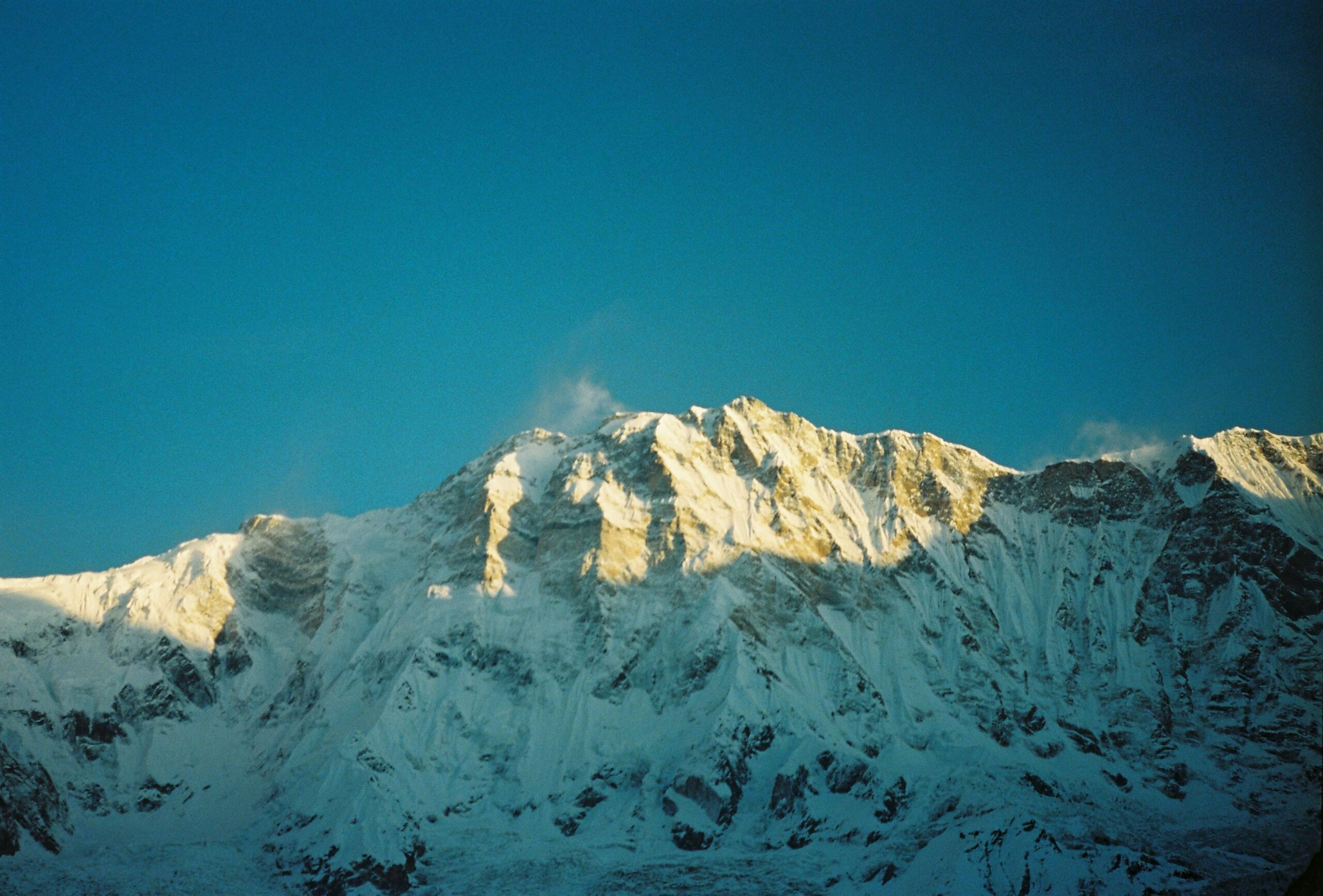
- Standing at base camp, you are surrounded 360° by giants like Annapurna I — it’s an unreal feeling.
This is the moment you came for.
Day 6 – ABC to Bamboo
- Wake up early for a magical sunrise over the Annapurna range
- After breakfast, we begin our descent.
- We follow the same trail back through MBC, Deurali, and Dovan.
- It’s a long walk, but going downhill feels easier on the lungs.
By evening, we reach Bamboo and rest.
Day 7 – Bamboo to Jhinu Danda
- We retrace our steps towards Chhomrong once again.
- From here, a long descent takes us to Jhinu Danda.
- If you’re up for it, head down to the natural hot springs nearby.
Warm water, tired legs, and mountains around — perfect end to the trek.
Day 8 – Jhinu to Pokhara
- We start with a gentle walk along the river and pass through small villages and farms.
- Reach Nayapul and complete exit formalities.
- Drive back to Pokhara.
- Evening is free — relax at Phewa Lake, explore cafés, or just unwind.
Back to comfort after days in the mountains.
Day 9 – Departure
- Breakfast and check-out.
- Trip ends, but the memories of Annapurna stay with you for a long time.
Altitude Gain Chart (Day-wise)
| Day | Location | Altitude | Gain / Loss |
| Day 1 | Pokhara | 822 m | — |
| Day 2 | Ghandruk | 2,012 m | ⬆ +1,190 m |
| Day 3 | Lower Sinuwa | 2,260 m | ⬆ +248 m |
| Day 4 | Deurali | 3,170 m | ⬆ +910 m |
| Day 5 | Annapurna Base Camp | 4,130 m | ⬆ +960 m |
| Day 6 | Bamboo | 2,310 m | ⬇ -1,820 m |
| Day 7 | Jhinu Danda | 1,725 m | ⬇ -585 m |
| Day 8 | Pokhara | 822 m | ⬇ -903 m |
Do’s & Don’ts
✅ Do’s
- Stay hydrated (3–4L daily)
- Walk at your own steady pace
- Inform leader if any discomfort
- Follow layering (avoid sweating)
- Carry documents at all times
❌ Don’ts
- Don’t ignore **Altitude Sickness symptoms
- No alcohol/smoking at altitude
- Don’t rush or leave group
- Don’t litter
Safety Notes
- AMS risk after 3000 m
- Symptoms: headache, nausea, fatigue
- Immediate reporting is critical
- Evacuation possible (insurance required)
Pro Tips (From Trek Leader Perspective)
- Day 3 & Day 5 are the toughest → conserve energy
- Eat even if not hungry (very important)
- Keep chocolates / quick sugar handy
- Always keep rain layer accessible
- Mental stamina matters as much as fitness
Fitness Benchmark (Mandatory)
If you can do the following, you are physically ready:
- Run 5 km in 25–30 minutes
- Walk 10 km continuously on incline terrain
- Hold breath for 40 seconds
- Climb 30 floors without break
- Perform 10 push-ups
- Complete 15 × 2 sets of squats & lunges
If you’re not there yet — train for 4–6 weeks and you’ll be ready.
Prerequisite Skills
Basic mountain awareness is important:
- Proper layering system for Himalayan weather
- Mountain manners & discipline
- Ascending & descending on steep terrain
- Basic camp/teahouse living understanding
- Team coordination & communication
- Walking on snow (if present)
Terrain & Trek Overview
The Annapurna Base Camp trek is one of the most scenic and globally popular treks in Nepal, located inside the Annapurna Conservation Area.
What to Expect:
- Dense forests (bamboo & rhododendron)
- Stone steps & steep ascents/descents
- Suspension bridges & river crossings
- Alpine terrain near base camp
- Glacier and moraine walking near ABC
Experience:
- Walk through the Annapurna Sanctuary
- Close views of:
- Machapuchare
- Hiunchuli
- Annapurna South
- Cultural immersion in Gurung villages
The trek is non-technical, but physically demanding due to altitude and terrain.
BRS Level Requirement
- Trek falls under BRS Level 4
- Requires:
- Prior trekking experience (Level 3 or above)
- Understanding of high-altitude conditions
- Good physical endurance
Best Time to Visit
- Spring (March–May):
- Blooming rhododendrons
- Slight snow at higher altitudes
- Autumn (Sept–Nov):
- Clear skies & best mountain views
- Cold nights
Temperature Range
| Season | Day | Night |
| Spring | 15–20°C | 0°C |
| Autumn | 10–15°C | 0°C to -2°C |
Accommodation
- Hotels in Pokhara
- Teahouses/lodges during trek
- Basic but comfortable
- Shared or private washrooms (varies)
Connectivity & Facilities
- Mobile network: Limited (NCell works in patches)
- Electricity: Available but unreliable → carry power bank
- ATMs: Available only in Pokhara/Kathmandu
Travel Information
Reach Pokhara:
- Fly to Kathmandu → then flight/road to Pokhara
- Road options available from India (via Raxaul border)
Health & Safety
- AMS risk above 3000 m
- Symptoms:
- Headache
- Nausea
- Dizziness
Immediate reporting is critical
- Emergency evacuation available (helicopter – insurance required)
Inclusions
✔ Accommodation (Hotel + Teahouse)
✔ Permits (Indian nationals)
✔ Experienced guide & trek leader
✔ Meals during trek (Breakfast, Lunch, Dinner)
✔ Staff support (insurance, logistics)
✔ Backpack offloading (10 kg)
Exclusions
✘ Personal expenses
✘ Meals in Pokhara / during travel
✘ Travel insurance & evacuation
✘ Tips (INR 2500 mandatory)
✘ Gear rentals (microspikes, sleeping bag, gaiters)
✘ Extra permit fees (non-Indians)
Important Notes
- Minimum age: 13 years
- 13–17 yrs must be accompanied by guardian
- 60+ requires medical certificate
- Carry:
- Medical certificate (mandatory)
- Original ID
Driftmates Trek Experience
- Small group size
- Certified trek leaders
- Safety-first approach
- Local cultural immersion
- On-ground support & real mountain experience