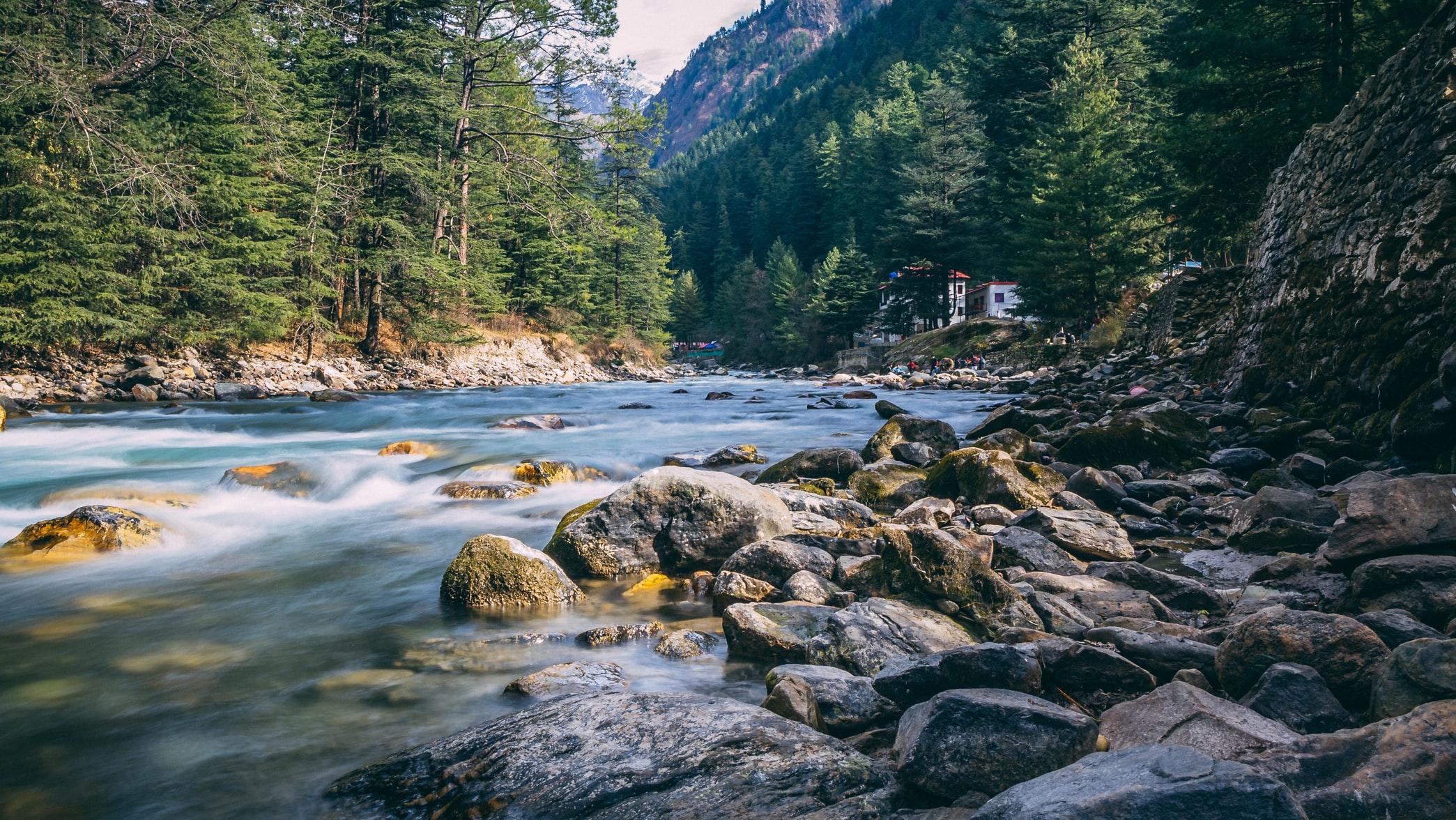
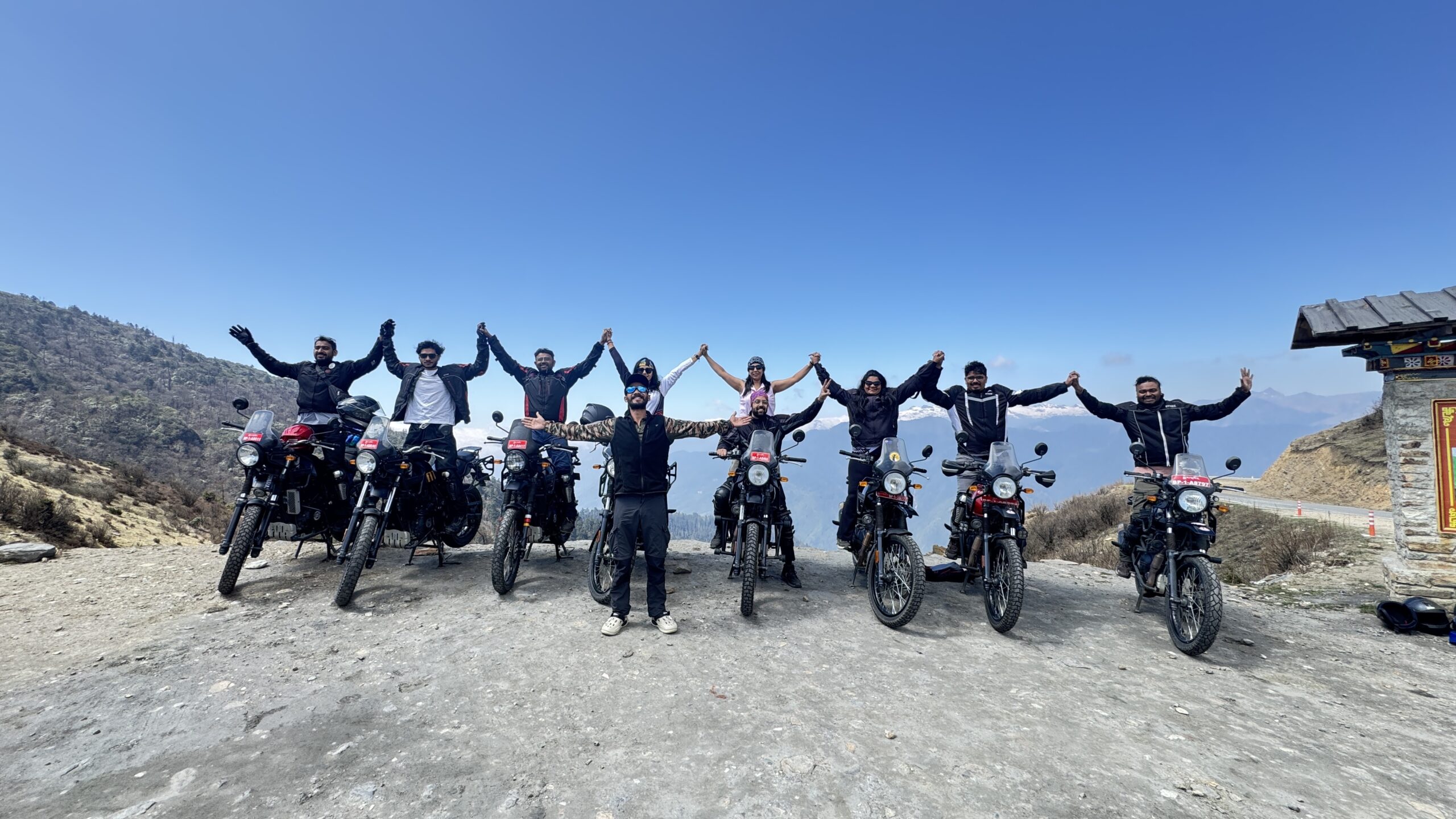
The eastern part of Himachal Pradesh is home to two distinct Himalayan regions: Kinnaur and Spiti. While Kinnaur is known for its forested valleys, apple orchards and traditional mountain settlements, Spiti is characterised by high-altitude villages, ancient Buddhist monasteries and a landscape shaped by centuries of erosion.
This expedition connects the two regions through a road journey that begins in Manali and enters Kinnaur before reaching the heart of Spiti Valley.
The route includes Chitkul, one of the last inhabited villages towards the Indo-Tibet border, Kalpa in the Kinnaur Kailash region, Nako and Gue before reaching Tabo and Kaza. From Kaza, the journey continues through several well-known villages and monasteries, including Key, Kibber, Langza, Hikkim and Komic.
The return route crosses Kunzum Pass and continues to Chandratal, a high-altitude lake in the Lahaul region, before reaching Manali.
With a combination of mountain roads, cultural landmarks, village visits and high-altitude landscapes, this route offers an opportunity to explore two very different sides of the Indian Himalayas.
Himachal route
Day 00: Delhi to Manali
Day 01: Arrive in Manali
Day 02: Manali to Jibhi
Day 03: Jibhi to Chitkul
Day 04: Chitkul to Kalpa
Day 05: Kalpa to Tabo
Day 06: Tabo to Kaza
Day 07: Exploring Kaza and the surrounding villages
Day 08: Kaza to Chandratal
Day 09: Chandratal to Manali
Day 10: Manali to Delhi
Day by day
Delhi to Delhi
ManaliArrive in ManaliJibhiChitkulKalpaTaboKazaExploring Kaza and the surrounding villagesChandratalManaliDelhi
Day 00
Delhi to Manali
Overnight journey
Your journey begins at Kashmere Gate, Delhi, where you board the overnight bus to Manali. The drive takes you through Chandigarh and into Himachal Pradesh, with the road following the Beas River as it approaches the Kullu Valley.
Arrival in Manali is scheduled for the following morning.
Departure: Kashmere Gate, Delhi
Transport: Overnight bus
Day 01
Arrive in Manali
Sethan Valley and local exploration
Arrive in Manali in the morning and check in to your accommodation. After freshening up and having some time to rest, the day's excursion begins around noon.
Travel by Tempo Traveller towards Sethan Valley in the Hamta region. The road is known for its sharp mountain bends, with approximately 36 turns along a 12-kilometre stretch.
Stop for lunch in the valley, surrounded by views of the surrounding mountains, before returning to Manali by approximately 3 PM.
The remainder of the afternoon is available to visit Manali Mall Road. This is a good opportunity to purchase any last-minute personal essentials, warm clothing or riding accessories required for the expedition. Shopping and personal purchases are at your own expense.
Return to the hotel for the night.
Overnight: Manali
Day 02
Manali to Jibhi
Exploring the Tirthan Valley
After breakfast, depart Manali and travel towards Jibhi, passing through Kullu and Banjar.
The route follows the Beas Valley before turning towards the Tirthan region. As you move away from Manali, the road passes through smaller settlements and increasingly forested mountain slopes.
Jibhi is a small village known for its traditional wooden houses, streams and forest surroundings. After reaching the village, check in to your accommodation and spend the afternoon exploring the nearby area.
Depending on the available time, you can visit Jibhi Waterfall, walk through the village or explore the surrounding forest trails.
Overnight: Jibhi
Day 03
Jibhi to Chitkul
Entering the Baspa Valley
Leave Jibhi after breakfast and begin the journey towards Chitkul in the Kinnaur region.
The route passes through Banjar and the Jalori Pass region before descending towards the Sutlej Valley. Continue towards Rampur and Karcham, where the road turns into the Baspa Valley.
Follow the Baspa River through Sangla before reaching Chitkul, situated at approximately 3,450 metres above sea level.
Chitkul is the last inhabited village on this road towards the Indo-Tibet border. The settlement is known for its traditional Kinnauri architecture, agricultural fields and mountain surroundings.
After arrival, check in and explore the village. The Baspa River and the traditional houses are among the main points of interest.
Overnight: Chitkul
Day 04
Chitkul to Kalpa
Kinnaur Kailash and the upper Sutlej Valley
After breakfast, leave Chitkul and retrace the route through Sangla towards Karcham. From here, continue along the Sutlej Valley towards Reckong Peo and Kalpa.
Kalpa is a traditional mountain village situated above the Sutlej Valley at approximately 2,960 metres. It is particularly known for its views of the Kinnaur Kailash mountain range, as well as its apple orchards, temples and traditional houses.
On arrival, check in to the accommodation and explore the village. The local temples and traditional architecture offer a closer look at the cultural landscape of Kinnaur.
If weather conditions are clear, the Kinnaur Kailash peaks can be seen from different viewpoints around Kalpa.
Overnight: Kalpa
Day 05
Kalpa to Tabo
From Kinnaur into the Buddhist landscape of Spiti
After breakfast, depart Kalpa and continue towards Spiti, following the Sutlej River through Reckong Peo, Pooh and Khab.
At Khab, the Sutlej and Spiti rivers meet. Continue towards Nako, a traditional village located at approximately 3,660 metres. The village is known for its small lake, Buddhist monastery and traditional houses. Spend some time exploring the settlement before continuing.
The next stop is Gue, a remote village known for its monastery, which houses the naturally preserved remains of a Buddhist monk.
Continue towards Tabo, one of the most historically significant settlements in Spiti. The village is home to Tabo Monastery, established in 996 AD and known for its ancient murals, sculptures and traditional mud-brick architecture.
Arrive in Tabo by evening and check in to the accommodation.
Overnight: Tabo
Day 06
Tabo to Kaza
Exploring Tabo Monastery and Dhankar
Begin the morning with a visit to Tabo Monastery, if it has not been explored on the previous evening.
Established in 996 AD, the monastery is one of the oldest functioning Buddhist monasteries in the Himalayan region. Its ancient murals, sculptures and mud-brick structures provide an important record of the Buddhist art and heritage of Spiti.
From Tabo, continue towards Dhankar, an old settlement situated on a rocky hillside overlooking the confluence of the Spiti and Pin rivers.
Visit Dhankar Monastery and explore the surrounding village before continuing towards Kaza, the main administrative and commercial centre of Spiti Valley.
On arrival, check in to the accommodation. The rest of the evening is available to explore the local market and nearby cafés.
Overnight: Kaza
Day 07
Exploring Kaza and the surrounding villages
Key Monastery, Kibber, Langza, Hikkim and Komic
Spend the day exploring some of the most recognised villages and cultural sites around Kaza.
Begin with Key Monastery, situated on a hill overlooking the Spiti River. It is one of the largest monasteries in the region and an important centre of Buddhist learning.
Continue towards Kibber, a high-altitude village known for its traditional stone houses and surrounding mountain landscape. Nearby, visit Chicham Bridge, which connects Kibber and Chicham across a deep gorge.
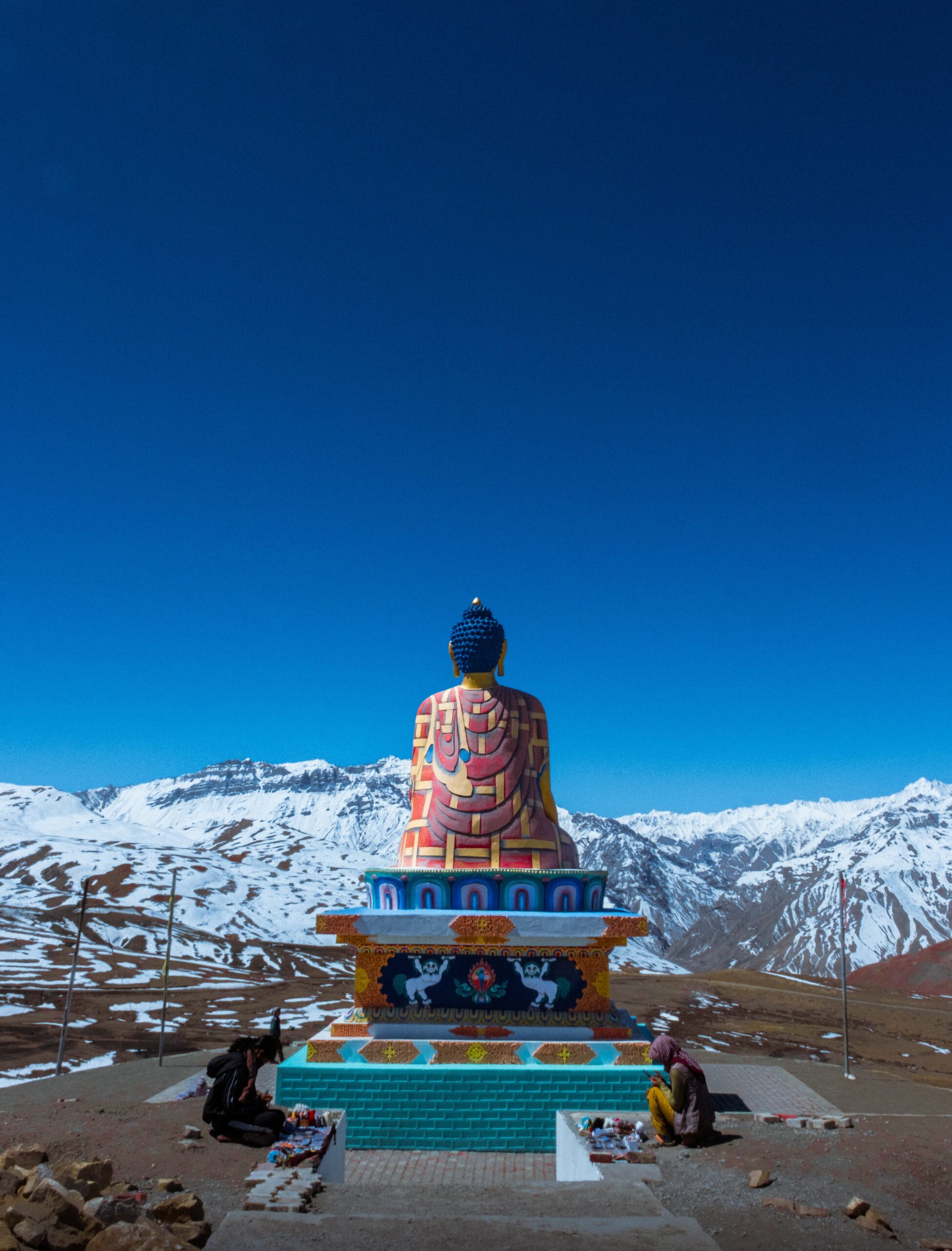
The route then continues towards Langza, known for its large Buddha statue overlooking the village. The surrounding landscape is also recognised for its marine fossils, which provide evidence of the region's geological past.
Continue to Hikkim, home to one of the world's highest post offices, before visiting Komic, a high-altitude settlement known for its monastery and traditional architecture.
Return to Kaza by evening.
Overnight: Kaza
Day 08
Kaza to Chandratal
Crossing Kunzum Pass
Leave Kaza in the morning and travel towards Losar, following the upper Spiti Valley.
Losar is one of the last major villages along this route before Kunzum Pass. From here, the road gradually climbs towards the pass, situated at approximately 4,590 metres.
Kunzum Pass connects the Spiti and Lahaul regions and offers views of the surrounding high mountain ranges. There is also a small temple dedicated to Kunzum Devi near the pass.
After crossing Kunzum Pass, descend towards Chandratal, a high-altitude lake situated at approximately 4,300 metres.
The name Chandratal translates to Moon Lake, referring to its crescent-like shape. The lake is known for its clear water and surrounding mountain landscape.
Reach the designated camping area and check in. Depending on weather conditions and lake access, walk to the lake and spend some time exploring the surroundings.
Overnight: Chandratal
Day 09
Chandratal to Manali
Through Batal, Gramphu and the Chandra Valley
After breakfast, begin the journey towards Manali through Batal and Gramphu.
The road follows the Chandra River through the rugged terrain of Lahaul. This section includes rocky stretches, unpaved roads and seasonal water crossings, with conditions depending on weather, snowmelt and road maintenance.
Continue towards Gramphu and join the road leading to the Atal Tunnel. The tunnel connects the Lahaul region with the Kullu Valley and provides access towards Manali.
On arrival, check in to the accommodation and spend the evening at leisure.
Overnight: Manali
Day 10
Manali to Delhi
Return journey
After breakfast, check out from the hotel and proceed to the departure point for the return journey to Delhi.
Board the overnight bus from Manali and travel through the Kullu Valley, Mandi, Bilaspur and Chandigarh.
The journey continues overnight, with arrival in Delhi the following morning.
Trip concludes on arrival in Delhi.
Kinnaur & Spiti
The Places Along the Journey
Sethan Valley
Sethan is a small mountain settlement in the Hamta region, located above Manali. Surrounded by open mountain slopes and views of the Dhauladhar range, the valley offers a quieter introduction to the Himalayan landscape. Its winding mountain road and elevated setting make it an interesting excursion from Manali.
Jibhi
Jibhi is a small village in the Tirthan Valley, known for its traditional wooden houses, forested slopes and clear mountain streams. The surrounding landscape offers a different character from the higher, drier regions encountered later in the expedition.
Jalori Pass
Jalori Pass connects the Banjar region with the upper mountain settlements towards Shimla and Kullu. Surrounded by dense forests and mountain slopes, the route offers a change in landscape as the journey moves towards the Sutlej Valley and Kinnaur.
Sangla Valley
Sangla Valley follows the Baspa River through one of Kinnaur's most scenic mountain landscapes. The valley is known for its traditional settlements, apple orchards, wooden architecture and views of the surrounding Himalayan peaks.
Chitkul
Chitkul is one of the last inhabited villages along the road towards the Indo-Tibet border. Situated beside the Baspa River, the village is known for its traditional Kinnauri houses, open agricultural fields and dramatic mountain surroundings.
Reckong Peo
Reckong Peo is the administrative headquarters of Kinnaur district. Located above the Sutlej Valley, the town serves as an important centre for travellers exploring the surrounding villages and mountain settlements, including Kalpa.
Kalpa and Kinnaur Kailash
Kalpa is one of Kinnaur's best-known mountain settlements. It is particularly recognised for its apple orchards, traditional temples and views towards the Kinnaur Kailash mountain range. On clear days, the mountain peaks form an impressive backdrop to the village.
Nako
Nako is a high-altitude village in the upper Kinnaur region, known for its traditional houses, Buddhist monastery and small lake. Situated at approximately 3,660 metres, the village marks a transition towards the cold desert landscapes of Spiti.
Khab
Khab is a small settlement in upper Kinnaur, located near the confluence of the Sutlej and Spiti rivers. The meeting of these two rivers, surrounded by steep mountain terrain, is one of the notable geographical landmarks along the journey into Spiti.
Gue
Gue is a remote village known for its monastery, which houses the naturally preserved remains of a Buddhist monk. Its location and distinctive cultural heritage make it an interesting stop while travelling from Kinnaur towards Tabo.
Tabo Monastery
Founded in 996 CE, Tabo Monastery is one of the most important Buddhist heritage sites in Spiti. Its ancient temples, murals and sculptures offer insight into the region's long religious and cultural history. The monastery is also recognised for its traditional mud-brick architecture.
Dhankar Monastery
Dhankar Monastery stands on a rocky hillside overlooking the confluence of the Spiti and Pin rivers. Once an important religious and administrative centre of the Spiti region, the monastery is known for its historic structures and dramatic mountain setting.
Kaza
Kaza is the main administrative and commercial centre of Spiti Valley. Situated along the Spiti River, it serves as a base for exploring the surrounding high-altitude villages, monasteries and mountain landscapes. The local market and cafés also offer an opportunity to experience everyday life in the valley.
Key Monastery
Key Monastery is one of Spiti's most important Buddhist institutions. Situated on a hill overlooking the Spiti River, the monastery is known for its traditional architecture, religious murals and role as a centre of Buddhist learning.
Kibber
Kibber is a high-altitude village known for its traditional stone houses, mountain surroundings and wildlife habitat. The region is particularly associated with snow leopard conservation and the wider wildlife landscape of Spiti.
Chicham Bridge
Chicham Bridge connects the villages of Chicham and Kibber across a deep gorge. The bridge is an important road connection in this remote mountain region and offers striking views of the surrounding terrain.
Langza
Langza is recognised for its large Buddha statue overlooking the village, fossil-bearing landscape and expansive mountain views. The surrounding area is known for marine fossils, reflecting the geological history of the region.
Hikkim
Hikkim is widely recognised for its high-altitude post office, which connects this remote Himalayan settlement with the outside world. The village offers a glimpse into everyday life in one of Spiti's higher inhabited areas.
Komic
Komic is a high-altitude village known for its monastery, traditional houses and open mountain landscape. Its remote setting and elevated position make it one of the distinctive settlements around Kaza.
Losar
Losar is one of the last major villages in the upper Spiti Valley before the road climbs towards Kunzum Pass. Surrounded by barren mountain slopes and traditional settlements, it marks the transition from the inhabited parts of Spiti towards the high mountain route into Lahaul.
Kunzum Pass
Kunzum Pass connects the Spiti and Lahaul regions at an elevation of approximately 4,590 metres. The pass offers views of the surrounding mountain ranges and is marked by a small temple dedicated to Kunzum Devi. It is an important high-altitude crossing on the journey towards Chandratal.
Chandratal Lake
Chandratal, also known as Moon Lake, is a high-altitude lake situated at approximately 4,300 metres in the Lahaul region. Surrounded by mountain ranges and open alpine terrain, the lake is known for its clear waters and crescent-like shape. Access to the lake and its surrounding camping areas depends on seasonal road and weather conditions.
Batal and Chandra Valley
Batal is a remote settlement along the route connecting Spiti with Manali. Located beside the Chandra River, it is surrounded by rugged mountain terrain and forms part of the challenging road journey through the Chandra Valley towards Gramphu.
Gramphu
Gramphu is an important road junction in the Lahaul region, connecting routes towards Spiti, Rohtang and the Atal Tunnel. It marks the final stretch of the mountain journey before entering the Kullu Valley.
Atal Tunnel
The Atal Tunnel passes beneath the Rohtang range, connecting Lahaul with the Kullu Valley. It has significantly improved road connectivity between the two regions and provides the final link on the return journey towards Manali.
The year
When to Travel
The Summer Spiti expedition is generally undertaken between June and September, when seasonal road access improves and the high-altitude routes become more accessible.
JanFebMarAprMayJunJulAugSepOctNovDec
June – Early summer
Snow begins to clear from several high mountain routes, although Kunzum Pass and the Chandratal approach may remain affected by snow. Road accessibility depends on the progress of seasonal clearance.
July – Peak summer
The valley becomes more accessible, with relatively comfortable daytime temperatures. Most of the villages and monasteries along the route can generally be explored, subject to road conditions.
August – Summer landscapes
August offers access to the higher settlements and mountain routes, with longer daylight hours. Occasional rainfall, particularly in Kinnaur and the lower valleys, can affect road conditions.
September – Autumn begins
Temperatures begin to fall, particularly during mornings and nights. The landscape gradually takes on autumn colours, while the high-altitude routes generally remain accessible depending on weather conditions.
Included
Delhi – Manali – Delhi Transfers: Overnight Volvo bus transfers between Delhi and Manali, both ways.
Accommodation: 9 nights of accommodation in hotels, guesthouses and designated camps on a triple-sharing basis.
Meals: Meals as per the confirmed meal plan.
Motorcycle: Royal Enfield Himalayan or equivalent motorcycle for the expedition, as per the selected bike category.
Fuel: Fuel for the entire planned riding route.
Riding Gear: Standard helmet and basic protective riding gear, including knee and elbow guards.
Trip Leader: Experienced Driftmates trip leader and ride captain throughout the expedition.
Mechanical Support: Dedicated mechanic support for basic on-route repairs.
Backup Vehicle: Support vehicle for luggage transportation and emergency assistance.
Sightseeing: Visits to all destinations and attractions mentioned in the itinerary.
On-ground Assistance: Coordination and assistance from the Driftmates team throughout the expedition.
Excluded
Airfare or train tickets to and from Delhi.
Lunch, snacks and beverages not specified under inclusions.
Personal expenses such as laundry, shopping, room heaters, telephone bills and mineral water.
Travel insurance, personal medication and medical treatment.
Refundable motorcycle security deposit, if applicable.
Costs arising from motorcycle damage or repairs due to negligence or misuse.
Entry fees, monastery donations and camera charges, wherever applicable.
Additional accommodation, meals or transportation due to personal itinerary changes or unforeseen delays.
Expenses arising from road closures, landslides, extreme weather or other unforeseen circumstances beyond our control.
Anything not specifically mentioned under inclusions.
Plan your summer Spiti expedition
Accommodation
Accommodation during the expedition varies according to the destination and availability.
In Manali and other established towns, stays are generally in hotels. In smaller settlements such as Chitkul, Kalpa, Nako and Tabo, accommodation is more commonly found in locally operated guesthouses, homestays and small hotels.
Kaza offers a wider selection of accommodation, including hotels, guesthouses and homestays. At Chandratal, accommodation is generally in seasonal designated camping facilities.
Facilities in remote settlements are simpler than those in larger towns. Room sizes, hot-water availability, heating and internet access can vary between properties.
The final accommodation list should be shared with travellers before departure.
Food and Meals
Food along the route reflects the changing regions we travel through.
In Kinnaur, meals commonly include Indian preparations, local lentils, rice, vegetables and traditional Himachali dishes. As we enter Spiti, Tibetan-influenced food becomes more common, with options such as thukpa, momos and local bread.
Kaza has a wider selection of restaurants and cafés, including places serving Indian, Tibetan and basic international-style meals.
Food choices become more limited in smaller villages and around Chandratal. Travellers with specific dietary requirements, including vegetarian, vegan or allergy-related needs, should inform the team before departure.
The exact meal inclusions will depend on the selected departure and accommodation arrangements.
Getting to the Starting Point
The expedition begins in Manali, Himachal Pradesh.
Travellers joining from Delhi are required to reach Kashmere Gate Inter-State Bus Terminal, from where the overnight bus journey to Manali begins.
For international travellers arriving in India, Delhi is the most convenient major international arrival point for this itinerary. We recommend allowing sufficient time between international flight arrivals and the scheduled departure to Manali.
Travellers arriving independently can also arrange to reach Manali before the expedition begins, subject to prior coordination.
The return journey from Manali to Delhi is also arranged as an overnight bus transfer.
Travelling by Motorbike
Travelers joining by motorbike should be comfortable riding on mountain roads, including narrow sections, gravel surfaces, uneven terrain and high-altitude passes.
A valid driving licence and applicable documentation are required. International riders should confirm the validity of their driving documents and International Driving Permit requirements before travelling.
The vehicle travels along the same general route, with stops at the villages, monasteries and viewpoints included in the itinerary.
Altitude and Acclimatisation
Spiti is a high-altitude destination, with several overnight stops above 3,000 metres. Kaza sits at approximately 3,800 metres, while Kunzum Pass and Chandratal are higher still.
Travelling to these elevations requires time for the body to adjust to reduced oxygen availability.
Some travellers may experience headache, tiredness, disturbed sleep or breathlessness. These symptoms should not be ignored or treated as an ordinary part of the journey.
We recommend discussing high-altitude travel with a qualified medical professional before departure, particularly for anyone with pre-existing medical conditions.
Travellers should stay hydrated, avoid excessive physical exertion during the initial days and report any symptoms to the expedition team. Severe or worsening symptoms require prompt medical assessment and descent where appropriate.
Road Conditions and Travel Distances
Mountain roads in Kinnaur and Spiti are different from regular highways. Some stretches are narrow, unpaved or exposed to falling rocks and landslides.
The road between Batal and Gramphu, in particular, can involve rough surfaces and seasonal water crossings. Conditions depend on snowmelt, rainfall and road maintenance.
Driving and riding times can vary considerably, even over relatively short distances. The daily schedule may therefore be adjusted according to weather, road access and local conditions.
The itinerary is a planned route rather than a guarantee of fixed arrival times at every destination.
Permits and Travel Documents
Indian and international travellers may have different documentation requirements depending on nationality and the areas they intend to visit.
Carry a valid passport or government-issued identification as applicable, along with your booking confirmation.
Certain areas close to the international border may have additional entry requirements or restrictions. Any permits required for the selected route will be checked and communicated before departure.
International travellers should also ensure they have the appropriate Indian visa and valid travel insurance.
Mobile Network and Internet
Mobile connectivity varies considerably across Kinnaur and Spiti.
Larger settlements such as Manali and Kaza generally have better connectivity than smaller villages and remote stretches of the route. Network coverage can be intermittent or unavailable around mountain passes and Chandratal.
Travellers should not rely on continuous internet access during the expedition. It is advisable to download offline maps, keep important booking information accessible and inform family members about possible communication gaps.
Questions
Before you pack
Ask the desk
Dates, a private version, or a question about fitness.