No products in the cart.
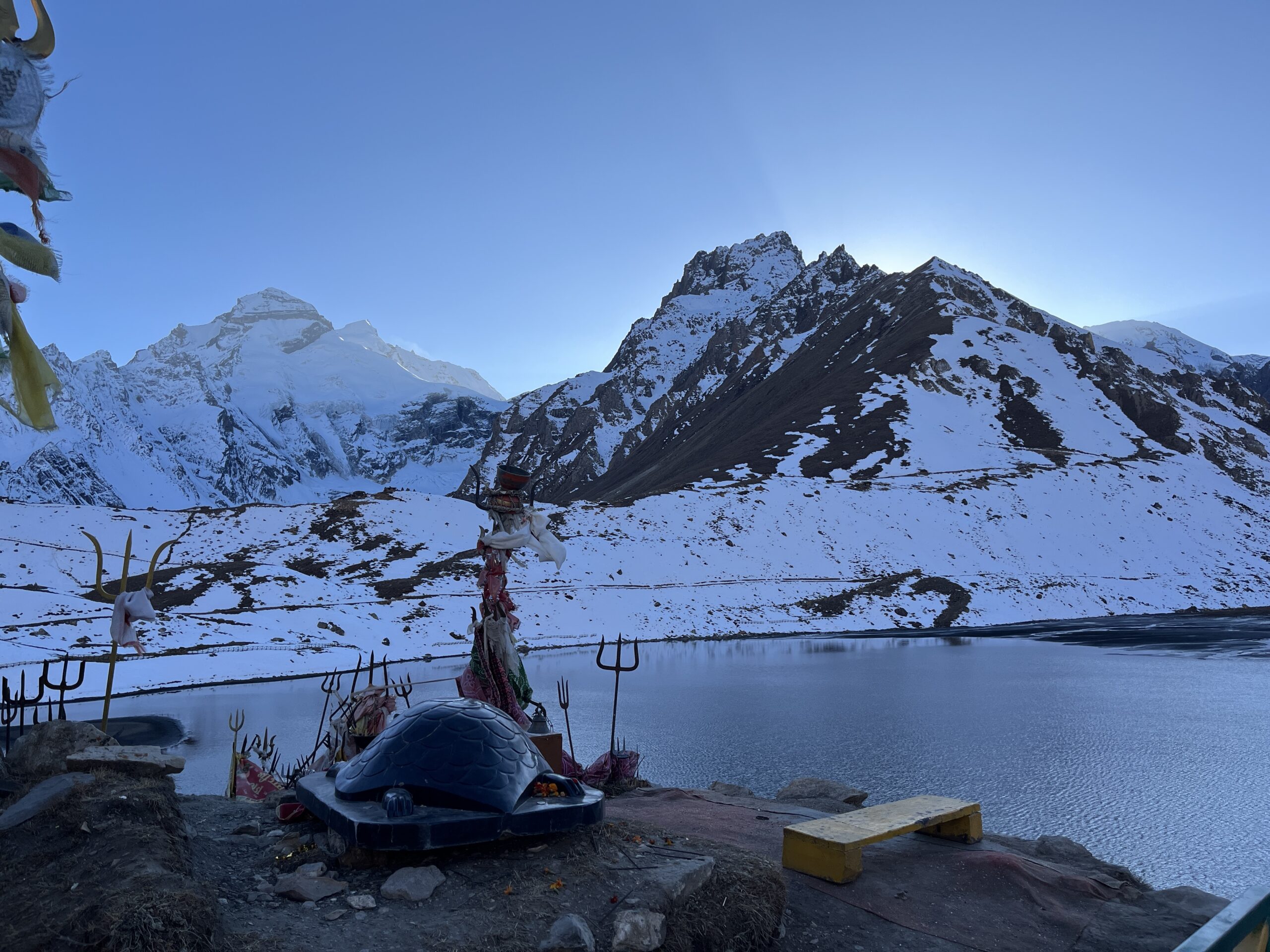
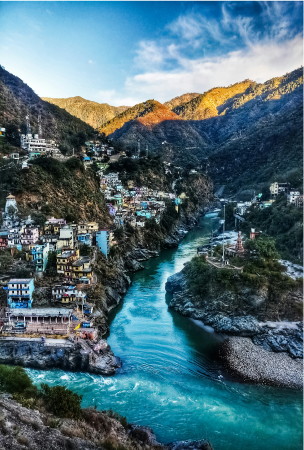
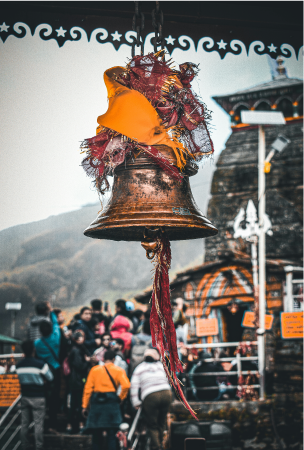

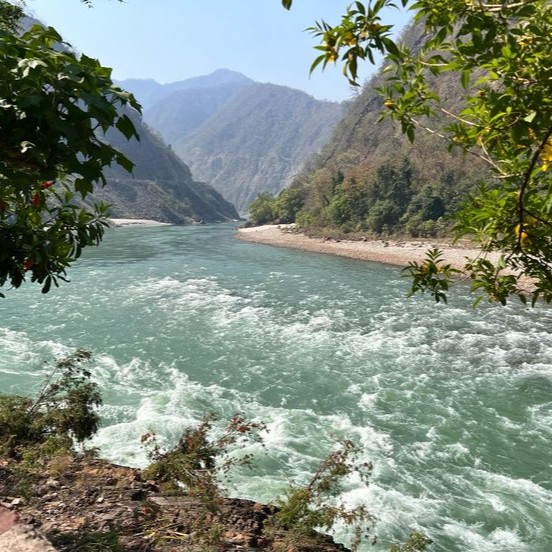
Uttarakhand, often known as Devbhoomi (Land of the Gods), holds a deep connection to India’s spiritual and Himalayan heritage. Ancient scriptures describe these mountains as sacred ground where sages meditated and holy rivers were born. The Ganga and Yamuna both originate from glaciers in this region, making the state not just geographically significant but spiritually central to millions. For centuries, pilgrims have walked these high-altitude routes, turning Uttarakhand into one of the most revered spiritual corridors in the country.
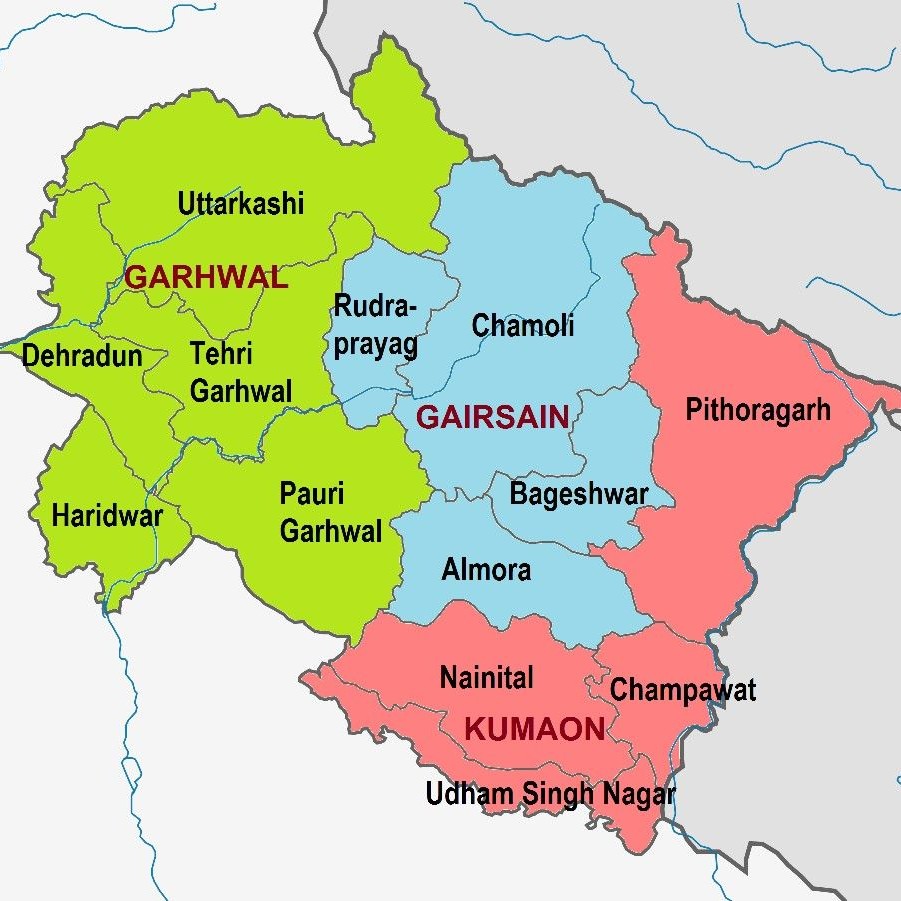
The state is divided into the Garhwal and Kumaon regions, each shaped by local kingdoms, Himalayan trade routes, and centuries of cultural evolution. Old pathways once connected India to Tibet, carrying not just goods but traditions and beliefs. Even today, village architecture, seasonal festivals, temple rituals, and local folklore reflect a mountain culture built on resilience and devotion.
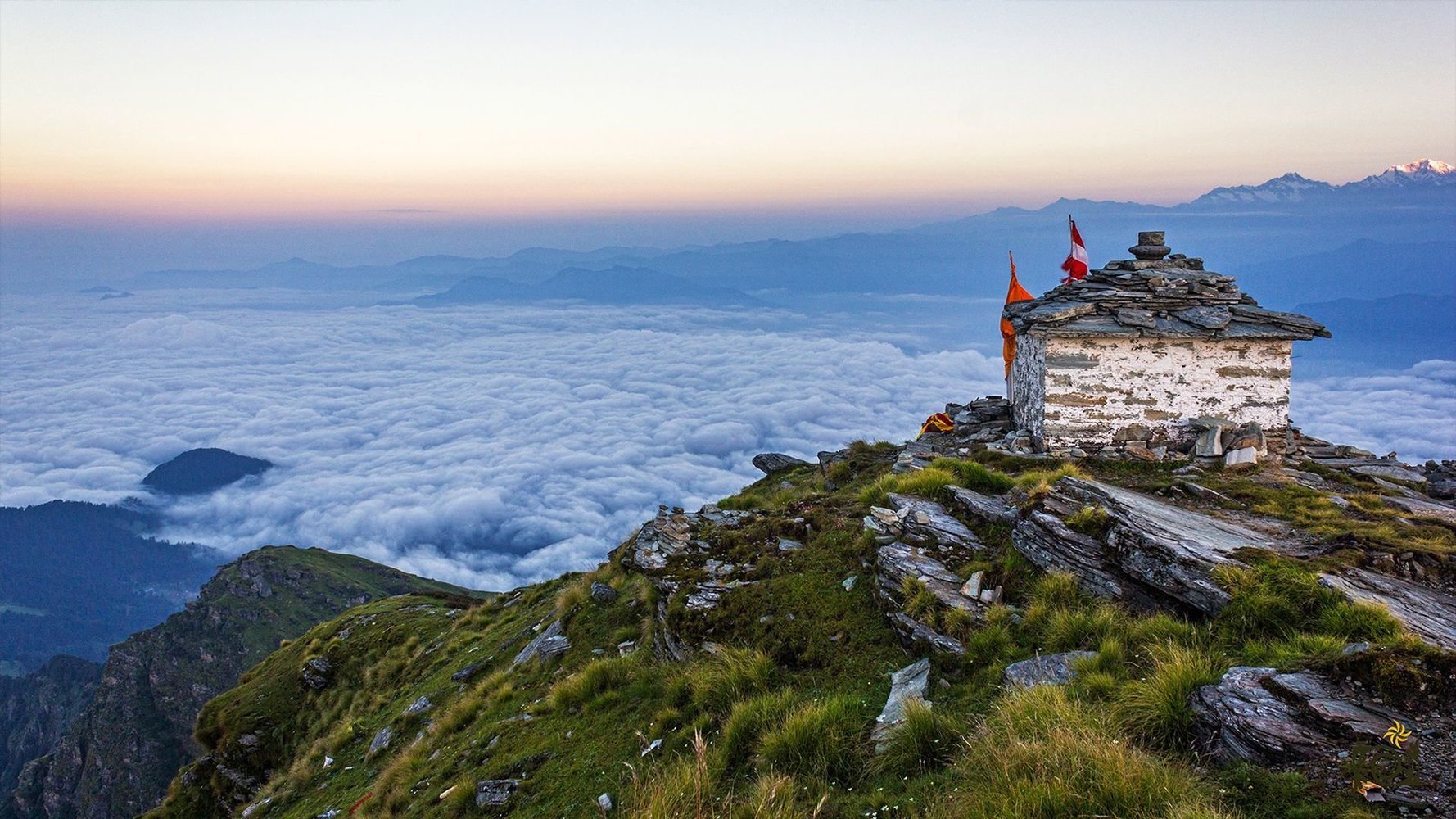
Among Uttarakhand’s most important landmarks is the Char Dham circuit, including Kedarnath and Badrinath, two of Hinduism’s most sacred pilgrimage sites. Kedarnath, situated at 3,583M, stands against a dramatic Himalayan backdrop, while Badrinath rests along the Alaknanda River. The Panch Kedar temples — Tungnath, Kedarnath, Rudranath, Madhyamaheshwar, and Kalpeshwar — further deepen the region’s spiritual significance, each requiring effort to reach through mountain trails.